

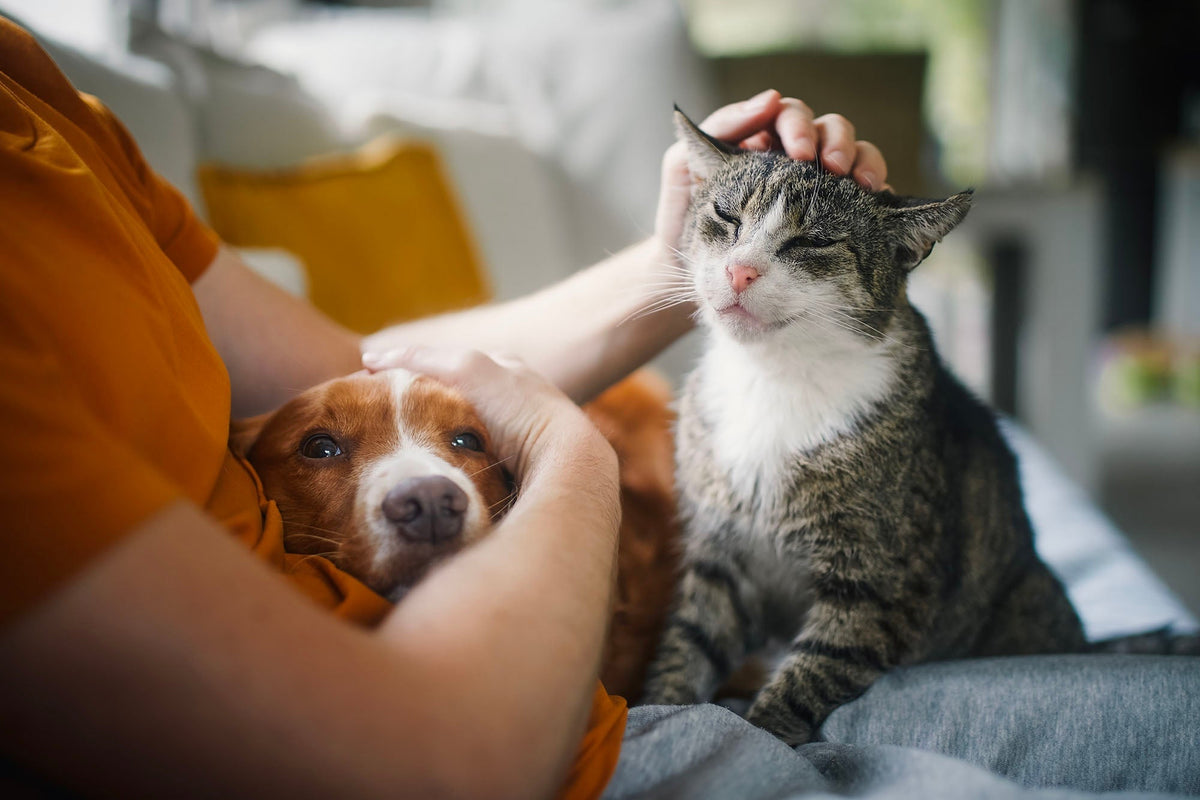
When your dog has been through rounds of antibiotics, prescription diets, and vet visits with little lasting relief, the answer often sits at the microbiome level. Intestinal dysbiosis, the clinical term for a disrupted gut microbiome, is one of the most commonly overlooked root causes of chronic gastrointestinal disease in companion animals. This guide explains what the intestinal microbiota actually is, how dysbiosis develops, how vets measure it, and what the evidence says about treating it, including when FMT becomes the most appropriate next step.
Gut Microbiome and Host Health: Why It All Starts Here
Your dog's gut is not just a digestive organ. It is the headquarters of immune regulation, metabolic function, and even behavioral signaling. The gut microbiome, the vast community of bacteria, fungi, and other microorganisms living in the intestinal tract, is in constant dialogue with your dog's body.
When that community is healthy, host health and immune function are stable. When it tips out of balance, the ripple effects show up far beyond the gut itself.
Think of it like a well-run city. Each bacterial species has a role: producing nutrients, driving positive microbial changes, managing waste, keeping opportunistic residents in check. When key populations decline, others fill the gap, and not always the helpful ones. That change from balance to imbalance, from what scientists call normobiosis to intestinal dysbiosis, is where chronic illness begins.
What Is the Intestinal Microbiota?
The intestinal microbiota refers to the entire community of microorganisms living in your dog's digestive tract: over 100 trillion microbial cells, mainly bacteria, alongside fungal organisms, bacterial spores, and viruses.
In healthy dogs, the fecal microbiota is dominated by core bacterial groups including Faecalibacterium, Fusobacterium, Turicibacter, Blautia, and the critical bile acid-converting bacterium Peptacetobacter hiranonis. Each of these bacterial species plays a specific role in maintaining the intestinal lumen environment.
The fecal microbiome, the microbial community assessed from fecal samples, is the most practical window into what is happening in the large and small intestines. It is worth knowing that small intestinal bacteria differ a lot from those in the large intestine, and conditions like small intestinal bacterial overgrowth reflect imbalances in that upper region specifically.
The intestinal microbiota does several things simultaneously. Gut microbes break down undigested nutrients the dog cannot process alone, produce short-chain fatty acids that feed the intestinal mucosa, convert primary bile acids into secondary bile acids that regulate inflammation and fat metabolism, and maintain the intestinal barrier against harmful bacteria and pathogens. When the normal microbiota is disrupted, every one of these functions is compromised.
What Is Intestinal Dysbiosis?
Intestinal dysbiosis is defined as an imbalance in the gut microbiota, in which the normal community of bacteria changes in ways that negatively affect host health, immune system regulation, and metabolism.
A weakened immune system is one of the most far-reaching consequences of prolonged dysbiosis. It is not one condition but an umbrella term that encompasses distinct microbial changes across several clinical situations, covering antibiotic-responsive diarrhea, tylosin-responsive diarrhea, small intestinal dysbiosis, and dysbiosis associated with idiopathic inflammatory bowel disease, among others.
Research has confirmed that decreased abundance of Peptacetobacter hiranonis is directly linked to chronic enteropathy and antibiotic-induced dysbiosis in dogs and cats, as without it, the conversion of primary bile acids into secondary bile acids breaks down.
This is particularly consequential in small intestinal dysbiosis, where the small intestinal environment loses the bacterial support it needs earliest; bile acid metabolism becomes dysregulated, intestinal motility is affected, and intestinal inflammation follows.
Common causes of intestinal dysbiosis include the use of broad-spectrum antibiotics, sudden dietary changes, chronic stress, gastrointestinal diseases, and systemic disease. Systemic disease creates ripple effects in the microbiome even when the gut is not the primary site of illness. These include exocrine pancreatic insufficiency and canine parvovirus infection.
Microbial dysbiosis also perpetuates itself. Once the intestinal bacteria are disrupted, the resulting inflammation damages the intestinal mucosa, further disrupting the microbiota and creating a cycle that does not resolve without intervention.
Intestinal Dysbiosis in Dogs: Signs and Clinical Impact
One of the things that makes intestinal dysbiosis so frustrating to manage is how differently it presents from one dog to the next. Some dogs with significant small intestinal dysbiosis show obvious clinical signs: chronic diarrhea, vomiting, weight loss, decreased appetite, and soft or inconsistent stools. Others show what clinicians call extraintestinal signs, symptoms that appear to have nothing to do with the gut at all, including skin problems, lethargy, poor coat quality, recurrent ear infections, behavioral changes, and fungal infections.
This happens because the intestinal barrier, when compromised by dysbiosis, allows bacterial byproducts and undigested nutrients to cross into the bloodstream, triggering systemic disease responses that strain the immune system, including Clostridium difficile infections in severe cases. Dogs with chronic inflammatory enteropathy, for instance, often show both gastrointestinal and skin-related clinical signs simultaneously, making the root cause easy to miss.
Intestinal inflammation is another downstream consequence. When dysbiosis goes unaddressed, intestinal permeability increases, secondary bile acids decline, and GI inflammation compounds.
Dogs with chronic enteropathies develop altered serum folate concentrations, reflecting impaired small intestinal absorption. Fungal organisms are also worth noting. While Candida spp does not cause gut-based overgrowth directly, the systemic immune dysregulation from intestinal dysbiosis makes dogs more susceptible to fungal infections on the skin, ears, and paws.
Assessing Dysbiosis: The Dysbiosis Index and Fecal Testing
For a long time, diagnosing intestinal dysbiosis meant relying on clinical signs alone, which is a bit like diagnosing a thyroid condition by asking someone how they feel. The development of the Dysbiosis Index changed that.
The Dysbiosis Index is a quantitative PCR-based assay that quantifies the fecal abundance of eight bacterial groups and summarizes them into a single numerical value.
Those groups are total bacteria, Faecalibacterium, Turicibacter, Escherichia coli, Streptococcus, Blautia, Fusobacterium, and Peptacetobacter hiranonis. Rather than giving you a list of numbers to interpret, it produces a single score that indicates how far the microbiota has shifted from normal.
Routine bacterial culture misses most fecal bacteria because they are strict anaerobes. Sequencing lacks reproducibility for clinical use. The Dysbiosis Index addresses both problems and is recognized in veterinary medicine as the only analytically confirmed assay to assess microbial shifts in individual dogs and cats.
If your dog is scheduled for a Dysbiosis Index test, a few practical things matter. Fecal samples need to be fresh and kept refrigerated until you can ship them. Leaving a sample sitting out or storing it too long before sending degrades the bacterial content and can skew results. It is also worth checking with your vet about timing if your dog is currently on antibiotics, since antibiotic treatment alters the fecal microbiome and can produce a score that does not accurately reflect what is actually going on in your dog's gut.
Using the Dysbiosis Index in Dogs and Cats
The interpretation thresholds differ between species. For dogs, a Dysbiosis Index above 2 indicates significant dysbiosis with high specificity, while a score between 0 and 2 suggests a moderate shift in the gastrointestinal microbiota, indicating early or partial disruption.
A negative score suggests normobiosis. For cats, the thresholds are lower. A Dysbiosis Index above 1 indicates major dysbiosis, while a score between 0 and 1 suggests a moderate shift.
The test is most useful when read alongside the individual bacterial group values rather than the overall score alone. Peptacetobacter hiranonis is the one to watch most closely. As covered earlier, its decline is one of the earliest and most consequential markers of dysbiosis, and research confirms a strong positive correlation between its abundance and secondary bile acid concentrations in dogs. A borderline overall score with a sharp drop in this species is still clinically meaningful and worth acting on.
Treatment Options for Intestinal Dysbiosis
Treatment usually starts with the least invasive options and becomes more targeted based on your dog's symptoms and response.
Diet as First-Line Management
One of the best ways to support your dog's recovery is with a highly digestible diet. This helps reduce undigested nutrients reaching the GI tract, leaving less food for harmful bacteria to grow.
If your dog has intestinal dysbiosis or inflammatory bowel disease, your veterinarian may recommend a highly digestible, novel-protein diet for 8 to 12 weeks. Choosing high-quality pet food during this time can make a huge difference.
Prebiotics are another helpful tool. They feed the good bacteria already living in your dog's gut and are safe for both healthy dogs and dogs with intestinal dysbiosis. Natural sources include pumpkin, beets, and apples, which provide fiber that helps restore normal microbiota over time.
Dietary changes don't work overnight, but with consistency, many dogs with mild to moderate intestinal dysbiosis can gradually improve, and their Dysbiosis Index may move closer to a healthy range over the following months.
Probiotics and Antimicrobial Therapy
While diet helps create the right environment for recovery, probiotics add beneficial bacterial species that can support a healthier intestinal microbiota, especially after antibiotic treatment. They are most effective as part of a complete treatment plan, not as a standalone solution for intestinal dysbiosis.
In some cases, your veterinarian may recommend antimicrobial therapy to quickly bring an overgrowth of harmful bacteria under control. This is common in dogs with antibiotic-responsive diarrhea. However, broad-spectrum antibiotics can also reduce beneficial bacteria in the fecal microbiota, which is why they are typically used only when clearly needed.
To help protect long-term gut health, many veterinarians now favor combination therapy, treating the infection while also rebuilding the gut microbiome to support a more lasting recovery.
Fecal Microbiota Transplantation for Dogs With Dysbiosis
If your dog's gut still hasn't recovered after diet changes, probiotics, or medication, your veterinarian may recommend fecal microbiota transplantation (FMT). The goal is to restore a healthy normal microbiota by introducing beneficial microbes from carefully screened donor stool into your dog's digestive system.
Instead of adding just a few helpful bacteria, FMT transfers an entire community of microorganisms that can rebalance the gut. Studies have shown encouraging results in dogs with chronic digestive problems, and puppies with canine parvovirus infection and acute diarrhea have also recovered faster when FMT was added to standard treatment.
FMT can be given through an enema, endoscopy, colonoscopy, or as specially prepared oral capsules. These capsules are designed to protect the microbes until they reach the small and large intestines, where they can begin restoring the fecal microbiota.
The quality of the donor stool is critical. Donor dogs are carefully screened to ensure they have excellent fecal quality, no recent antibiotic use, no GI diseases, and no infectious pathogens. Donors with higher levels of secondary bile acid-producing bacteria, along with other beneficial microbes, may provide greater benefits for long-term gut health, giving dogs with dysbiosis the best chance of rebuilding a healthier microbiome.
Legacy Biome: A Different Standard for FMT
The success of fecal microbiota transplantation depends on one key factor: the quality of the donor. Legacy Biome's Healthy Gut Restore capsules are made using stool from dogs with zero lifetime antibiotic use, not just antibiotic-free for a few months. Donors are also raised without NSAIDs, pesticides, or chemical flea and tick treatments, fed raw animal proteins and fresh organic foods, and come from a carefully selected multi-generational lineage known for strong gut health. Every donor undergoes routine pathogen screening and microbiome DNA sequencing before donation.
The capsules are GMO-free, gluten-free, shelf-stable for up to two years, and designed for convenient at-home use. For dogs with persistent digestive issues that have not responded to conventional treatment, Legacy Biome offers a microbiome-first approach.
Probiotics vs Donor Microbiome Therapy: Which Is Right?
Probiotics and donor microbiome therapy work through fundamentally different mechanisms, and understanding the distinction helps decide when each is appropriate.
Probiotics introduce a small number of specific bacterial species into the digestive tract. They are useful for stabilizing gut microbiota during antibiotic use, managing mild clinical signs, and providing ongoing support for dogs prone to GI diseases. They do not permanently shift the gut microbiome.
For dogs with mild small-intestinal dysbiosis or early-stage gut disruption, a high-quality probiotic is a reasonable first step. Small intestinal dysbiosis that has become chronic requires more targeted intervention.
Donor microbiome therapy works differently by transferring thousands of beneficial microbes at the same time, including secondary bile acid-producing bacteria and short-chain fatty acid producers that are often missing in dogs with long-term digestive disease.
For dogs with chronic inflammatory enteropathy, inflammatory bowel disease, or severe dysbiosis that hasn't improved with diet or probiotics, this more complete approach may offer a better chance of restoring a healthy gut. In general, the longer your dog's gut has been out of balance, the more comprehensive the treatment may need to be.
Post-FMT Monitoring and Timeline
After treatment, most dogs show improvement in gut health and stool consistency within days to weeks. More permanent resolution typically takes two to three months as the transplanted bacterial species establish themselves and secondary bile acids return to normal ranges. Track serum folate concentrations and serum metabolite profiles if your vet suspects small intestinal involvement.
Treat the Gut, Transform the Dog: What Legacy Biome Makes Possible
The condition is measurable, treatable, and in many cases fully reversible when the right tools are applied in the right sequence. Diet comes first. Targeted probiotics provide support. When those are not enough, donor therapy restores what conventional approaches cannot. For dogs who have been stuck in a cycle of GI diseases and temporary fixes, fecal testing finally gives pet parents and veterinarians a way to see what is actually happening and measure whether it is improving. Legacy Biome's Healthy Gut Restore exists for the dogs that need the deepest level of restoration available.
Frequently Asked Questions
What is the Dysbiosis Index and what does a high score mean?
The Dysbiosis Index is a PCR-based fecal test that measures eight key bacterial groups to assess your dog's gut microbiome. A high Dysbiosis Index score (above 2 in dogs) indicates significant intestinal dysbiosis, meaning beneficial bacteria are depleted and targeted treatment beyond diet alone may be needed.
Can intestinal dysbiosis in dogs resolve on its own?
No, intestinal dysbiosis rarely resolves without support because an imbalance in gut bacteria can continue to drive inflammation and further disruption. Mild cases may improve with diet changes, but dogs with chronic enteropathies, idiopathic inflammatory bowel disease, or antibiotic-related dysbiosis often need targeted treatment to help restore normal microbiota.
What is fecal microbiota transplantation and when is it used?
FMT transfers material from a healthy, screened animal into the gastrointestinal tract of a sick recipient to restore a disrupted fecal microbiome. It is indicated when dietary changes, probiotics, and antimicrobial therapy have not resolved intestinal dysbiosis, particularly in dogs with chronic inflammatory enteropathy or treatment-resistant GI diseases.
How long does it take to treat intestinal dysbiosis in dogs?
Treatment takes weeks to months depending on severity and intervention. Dietary changes show microbiome improvements over several months. Fecal microbiota transplantation typically produces noticeable clinical improvement within days to weeks, with full resolution taking two to three months in dogs with chronic or established cases.

Leave a comment
This site is protected by hCaptcha and the hCaptcha Privacy Policy and Terms of Service apply.