

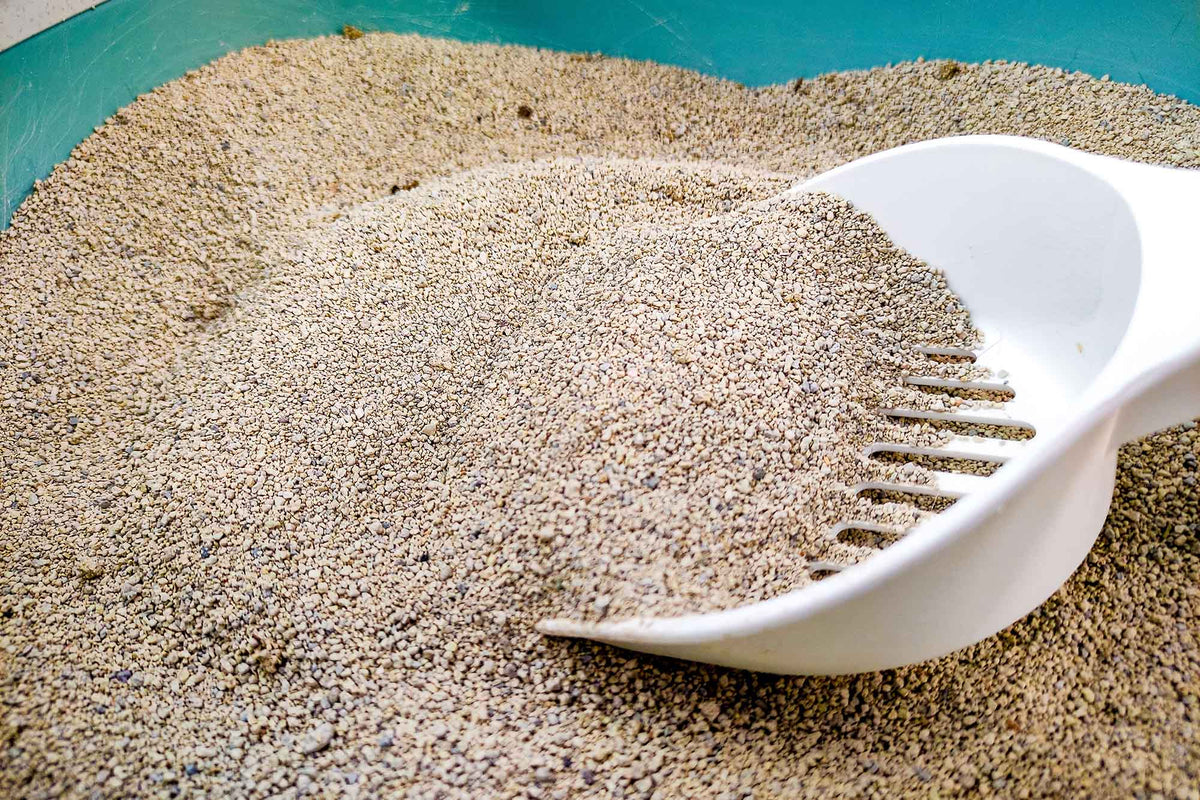
Most cat parents do not think much about what is in the litter box until something looks wrong. But your cat's poop is one of the most reliable windows into how their body is doing. Color, shape, smell, and frequency can all tell you something important before your cat shows any other signs of being unwell. This guide breaks down what healthy cat poop actually looks like, what different colors and consistencies mean, and when something in the litter box means it is time to call your vet.
What Should Healthy Cat Poop Look Like?
Knowing what normal looks like is the starting point for everything else.
Healthy cat poop is dark brown or chocolate brown in color, log-shaped, firm but pliable, and about the size of a small sausage. It should hold its shape when you scoop it out of the litter box without crumbling apart or smearing.
Normal cat poop has a mild odor that is noticeable but not overwhelming. Healthy poop should leave little to no residue in the litter box when scooped.
Most cats poop once or twice a day, though the exact frequency varies from cat to cat. What matters most is knowing what is normal for your cat and noticing when it changes.
Cat Poop Color: What Each Shade Means
Cat poop color is one of the most informative things you can observe in the litter box. Here is a quick breakdown of what different colors signal.
Normal Colors of Cat's Feces
Dark brown to chocolate brown is the healthy range. This color indicates that digestion is working properly and bile is being processed normally through the digestive system. A slight day-to-day variation based on what your cat ate is not a cause for concern.
Colors That Signal a Problem
- Black or Tarry Stool: It is one of the most serious warning signs. Black, tarry feces suggest internal bleeding in the upper GI tract, where blood has been digested before reaching the stool. This requires urgent veterinary attention.
- Bright Red Streaks or Patches: Indicate bleeding from the lower digestive tract, usually the large intestine or the cat's rectum. Blood in the stool always needs a vet visit, even if your cat seems fine otherwise.
- Green Cat Poop: It can result from eating grass, bile moving too quickly through the digestive tract, or in some cases a bacterial infection. Occasional green poop after a cat has been chewing plants is less alarming, but persistent green poop warrants a vet check.
- Yellow or Orange Stool: Points to liver or pancreatic issues, or problems with the bile duct system that affect how bile is processed. Yellow or orange poop that lasts more than a day or two needs veterinary care.
- Pale Gray or White Cat Poop: This may indicate malabsorption, issues with the bile duct system, or liver or pancreatic issues preventing proper fat digestion. This is an abnormal cat poop color that should not be ignored.
Note: White specks in otherwise normal stool can indicate intestinal parasites, particularly tapeworm segments. These look like small grains of rice.
Cat Stool Consistency: What the Texture Tells You
Poop consistency is just as informative as color. Normal consistency for cat poop is firm and slightly moist, like a soft log.
Hard or pebble-like stool: Often caused by dehydration or insufficient fiber in the cat's diet. A cat that has not produced stool in more than 48 hours needs veterinary attention.
Loose or soft, unformed poop: Suggests something is disrupting normal digestion. A single episode after a change in diet is usually not a concern, but recurring loose stools warrant investigation.
Watery stool: This is cat diarrhea. Watery stool causes rapid fluid loss and can quickly lead to severe dehydration, especially in kittens. Contact your vet if it lasts more than 24 hours.
Mucus in the stool: Points to inflammation in the large intestine or colon. A small amount occasionally is not always alarming, but mucus appearing regularly or alongside blood needs professional evaluation.
Abnormal Cat Poop Chart: Quick Reference
Use this as a guide when something in the litter box catches your attention.
|
What You See |
Possible Cause |
Action |
|
Dark brown, log-shaped |
Normal healthy poop |
No action needed |
|
Black or tarry stool |
Internal bleeding, upper GI tract |
Urgent vet visit same day |
|
Bright red blood |
Lower GI bleeding, cat's rectum |
Vet visit within 24 hours |
|
Green cat poop |
Bile issue, bacterial infection, grass |
Monitor, vet if persists |
|
Yellow or orange |
Liver or pancreatic issues, bile duct |
Vet visit within 24 hours |
|
Pale gray or white |
Malabsorption, liver or pancreatic issues |
Vet visit |
|
White specks |
Intestinal parasites (tapeworm) |
Vet visit, fecal test |
|
Hard pellets |
Constipation, dehydration |
Increase water, vet if no stool in 48 hrs |
|
Watery stool |
Severe diarrhea |
Vet if lasting over 24 hours |
|
Mucus present |
Large intestinal inflammation |
Vet if recurring or with blood |
|
Foreign objects visible |
Ingested non-food item |
Vet visit, watch for symptoms |
Cat Poop Smell: When Odor Is a Warning Sign
Healthy cat poop has a mild odor that is noticeable but not overwhelming. A foul smell significantly worse than usual can indicate parasitic infections, a bacterial infection, or changes in digestive health. Smelly stools with a metallic odor, along with abnormal color or consistency, are a signal to contact your vet. A sudden change in smell without other symptoms is usually diet-related.
Common Causes of Abnormal Poop in Cats
Abnormal poop in cats usually comes down to one of these triggers:
- Diet Changes: Always transition your cat's food gradually over seven to ten days. A sudden change can disrupt digestion within hours.
- Parasitic Infections: Intestinal parasites such as Giardia, roundworms, and tapeworms can cause changes in the consistency, color, and odor of stool. A fecal test is the only way to rule these out.
- Bacterial Infection: Can cause prolonged diarrhea and runny poop, sometimes with blood or mucus.
- Inflammatory Bowel Disease: A chronic condition causing ongoing digestive issues, weight loss, and abnormal poop.
- Food Allergies: Cause persistent loose or smelly stools that come and go with diet.
- Stress: Moving home, a new pet, or household changes can all affect litter box habits and poop consistency.
- Foreign Objects: String, plastic, or plant material in the stool means your cat swallowed something they should not have, which can be life-threatening if it causes a blockage.
When to Seek Veterinary Care for Cat's Health
Most cat owners can manage mild, short-lived changes in their cat's poop at home. Some situations require urgent professional veterinary care.
Contact your vet within 24 hours if:
- Cat diarrhea lasts more than 24 hours in an adult cat
- Prolonged diarrhea or no stool for more than 48 hours
- You notice blood in the stool, whether red or black
- Poop is accompanied by vomiting or abdominal pain
- Your cat seems lethargic or has lost interest in food
Seek immediate veterinary attention for:
- Black, tarry stool suggesting internal bleeding
- Life-threatening signs like collapse, severe abdominal pain, or repeated vomiting alongside abnormal poop
- Foreign objects visible in or hanging from the stool
- Kittens with any significant poop changes, as they dehydrate much faster than adult cats
How to Support Your Cat's Digestive Health at Home
For cats with recurring digestive issues that do not resolve with dietary management, the gut microbiome may need to be restored. This is where fecal microbiota transplantation makes a difference. Rather than adding a few bacterial strains, as a probiotic does, FMT transfers a complete microbial community from a healthy donor directly into your cat's digestive tract, reseeding the gut at a scale that diet and supplements alone cannot match.
Legacy Biome's Healthy Gut Restore capsules deliver freeze-dried donor material in an enteric-coated capsule that survives stomach acid and reaches the intestines intact. Every donor has zero lifetime antibiotic use and is fed raw animal proteins and fresh organic foods. Most cats show improvement in stool consistency within days to weeks, with more lasting resolution of chronic poop problems typically taking two to three months as the transplanted microbiome establishes itself.
Healthy Gut, Happy Cat: Start With the Litter Box
Your cat's poop is not just waste. It is a daily health report that most pet parents overlook until something goes wrong. Dark brown, log-shaped, and mildly odored is the standard to aim for. Anything that deviates persistently from that baseline deserves attention.
Legacy Biome focuses on restoring the gut microbiome at the root level rather than managing symptoms on the surface. For cats whose digestive health keeps cycling back to the same problems, the Healthy Gut Restore capsules are the intervention that actually gets to the root of the problem.
Frequently Asked Questions
What does healthy cat poop look like?
Healthy cat poop is dark brown or chocolate brown, log-shaped, firm but not hard, and mildly odored. It should hold its shape when scooped and leave little residue in the litter box. Most cats poop once or twice daily, though the frequency that is normal for your cat is what matters most.
What does black cat poop mean?
Black or tarry stool in cats indicates digested blood from the upper GI tract, a sign of internal bleeding that requires urgent veterinary attention the same day. Do not wait to see if it resolves, as black tarry feces can signal a life-threatening condition in the digestive system.
Can stress change a cat's poop?
Yes, stress can directly change a cat's poop because the gastrointestinal tract is closely connected to the nervous system. Household changes, new pets, and disruptions to routine can all cause loose stools, runny poop, or other changes in litter box habits even when there is no underlying health issue.


Leave a comment
This site is protected by hCaptcha and the hCaptcha Privacy Policy and Terms of Service apply.