

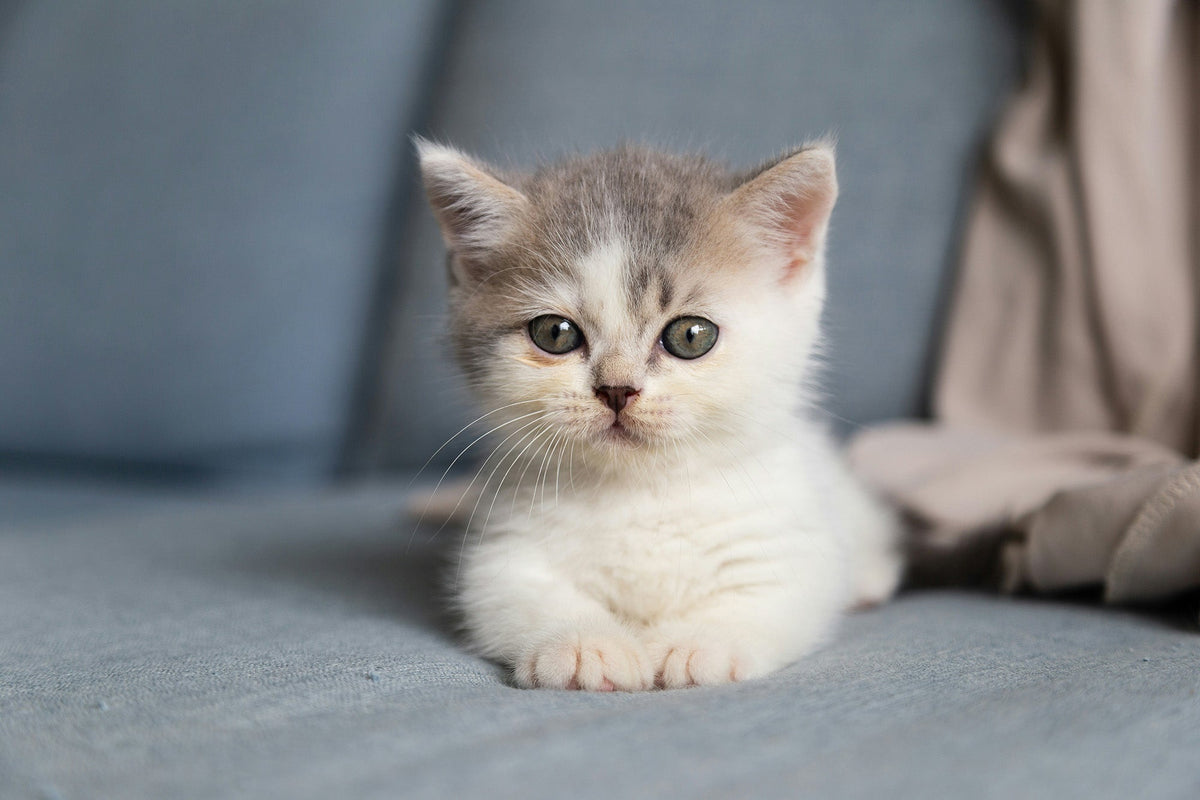
A kitten's gut does more than digest food. It trains the immune system, pulls nutrients from every meal, and sets up long-term health. When something goes wrong, you see it first in the litter box. Kitten diarrhoea, soft stools, and a dull coat are common, and most cat parents face at least one bout in the first year. The good news is that kitten gut health responds well to simple changes. This guide covers what causes digestive issues, how to spot them early, what to feed, which supplements help, and when your vet needs to step in.
Cat Gut Health and the Gut Microbiome
Your cat's gut microbiome is the community of bacteria, yeast, and other microbes living in the digestive tract. A healthy cat carries billions, and most are helpful.
These microbes play a vital role. A healthy gut microbiome helps kittens digest food and absorb vitamins and minerals. Beneficial bacteria also crowd out harmful bacteria, which keeps a healthy gut balance in place.
The immune link is the part most cat parents miss. Gut bacteria help train immune cells to tell friend from foe. That is why cat gut health shapes far more than digestion, and why a strong start lays the foundation for a healthy life.
Why Kittens Develop Digestive Issues
Young kittens have immature guts. The microbiome is still forming, and the immune system has not finished training, so small problems grow fast.
Diet Problems
Sudden diet changes are the top cause of kitten diarrhea. Introducing a new food too quickly overwhelms the kitten's digestive system before gut bacteria adjust. Dairy is another trap, since kittens are lactose intolerant and cow's milk causes stomach upset. Raw meat carries a bacterial risk young kittens cannot handle.
Intestinal Parasites
Intestinal parasites are common in kittens, even indoor ones. Roundworms, hookworms, and coccidia cause loose stools, gas, and slow weight gain. Most kittens carry roundworms passed from their mother.
Stress
Stress can disrupt a cat's gut microbiome balance. A new home, new pets, new toys, loud noise, or a shifted routine can all trigger digestive upset, even when the kitten's diet stays the same.
Antibiotics
Antibiotics kill harmful and beneficial gut bacteria at once. Losing the good ones leaves space for the bad ones, which is why kitten diarrhea often follows a course.
Signs Your Kitten's Gut Is Unhealthy
Healthy cats produce firm, dark brown stools on a regular schedule, and kittens are no different. The litter box is your earliest warning, but the coat and the scale tell you plenty too.
|
Healthy Signs |
Warning Sign |
|
Firm, dark brown stools |
Diarrhea or persistent soft stools |
|
Soft, shiny coat |
Dull coat from poor nutrient absorption |
|
Steady weight gain |
Slow gain or weight loss |
|
Energetic, playful behavior |
Lethargy after normal activity |
|
Stable appetite |
Appetite that comes and goes |
|
No gas or bloating |
Frequent gas and a bloated belly |
|
Rare illness |
Frequent illness from a weak immune response |
Persistent soft stools point to an imbalance in the digestive tract rather than a one-off bad meal. Dehydration is the urgent one. Kittens dehydrate much faster than adult cats do.
Lift the skin at the shoulders and let go. If it stays tented, your kitten needs professional care that day. Give a mild case 24 hours. If kitten diarrhea lasts more than 48 hours, or you see blood, call your vet.
Diet and Feeding for Kitten's Digestive Health
Good digestive health starts with proper nutrition. Cats are obligate carnivores, so they need high-protein diets built on animal ingredients. The best diet for most kittens is a complete, balanced kitten food with digestible proteins near the top of the label.
A balanced cat's diet supports healthy digestion and microbial diversity, and helps your cat's body maximize nutrient absorption. High-carb diets can lead to excessive inflammation in cats, so read past the front of the bag.
Limited-ingredient formulas can help if your kitten reacts to many foods. Fewer ingredients means fewer suspects when a food is causing trouble.
Wet kitten food adds water to every meal, which supports hydration and easier digestion. Dry cat food is convenient, stores well, and suits free feeding. Many cat parents feed both.
Serve small, frequent meals. Four meals a day puts less strain on a young stomach than two large ones.
How to Transition to a New Diet
Transition slowly. A week is the minimum for a new diet, and two weeks is safer for a sensitive kitten.
|
Days |
Old Food |
New Food |
|
1 to 2 |
75% |
25% |
|
3 to 4 |
50% |
50% |
|
5 to 6 |
25% |
75% |
|
7 |
0% |
100% |
If stools loosen, hold that ratio for two extra days before adding more new food.
Managing Hydration and Parasite Control
Water intake and parasite control are the two cheapest wins for your cat's digestive health.
Encourage drinking with a pet fountain, several bowls around the house, and wet food daily. Moving water attracts most kittens more than a still bowl of water.
Deworming is not optional. Kittens should be dewormed every two weeks until 12 weeks old, then monthly until six months. Ask for a fecal test at every kitten visit, then twice yearly through the first two years of your cat's life.
Supplements, Probiotics, and Microbiome Therapies
While supplements do not replace a good diet, they do support gut health in cats.
- Probiotics are live microorganisms that restore healthy gut bacteria after a disruption.
- Prebiotics are fibers that feed beneficial bacteria already in the gut. Chicory root and inulin are common in cat food.
- Synbiotics combine both. Probiotics are more effective when paired with prebiotics, since the prebiotics provide nourishment for beneficial bacteria as they establish themselves in the gut.
Talk to your vet first, especially if you have a kitten under 12 weeks. Some kittens do better on prescription diets containing extra prebiotics, and the health benefits show up faster when dietary adjustments come first.
Probiotics vs Donor Microbiome Therapy
Both aim to improve cat gut health, but they work differently and suit different problems.
|
|
Probiotics |
Donor Microbiome Therapy |
|
What it delivers |
A few cultured strains |
A full donor community |
|
How long it lasts |
Transient, passes through |
Aims to settle and stay |
|
Best for |
Mild, short-term upset |
Recurrent digestive issues |
|
Typical timeline |
Days to weeks |
Weeks to months |
Probiotics are often enough after a stressful weekend, a short antibiotic course, or a rushed food change. Look for enteric-coated capsules, because stomach acid destroys unprotected strains before they reach the large intestine.
Fecal Microbiota Transplant (FMT) for Kittens
Fecal microbiota transplant (FMT) transfers gut microbiota from a healthy donor cat into a kitten with ongoing digestive issues. The goal is a balanced microbiome, not a handful of strains that pass through.
Donor screening makes the process safe. Careful programs screen donors for intestinal parasites, viruses, and bacterial pathogens using blood tests and stool panels, and repeat that screening over time.
The donor's diet matters as much as the donor's health. Donors kept antibiotic-free and fed an organic, species-appropriate diet carry a different bacterial mix than donors raised on cheap food, and your cat's microbiome receives whatever they carry.
According to studies in adult cats and dogs, FMT can reduce chronic diarrhea and help with inflammatory bowel disease. Much of that work grew from human research on ulcerative colitis. In veterinary medicine, evidence for kittens is still limited, so vet oversight is not a mere formality here.
Using Microbiome-Based Capsules Safely
Capsules make donor microbiome therapy practical at home, but the rules still apply.
- Start under veterinary guidance, especially for kittens under 12 weeks old.
- Follow label dosing. Give with food if your kitten has a sensitive stomach.
- Track stool quality daily for two weeks and note changes in appetite or energy.
- Pause during active antibiotic treatment, then restart once the course ends.
Legacy Biome Healthy Gut Restore capsules for cats deliver a screened donor community in enteric-coated form, so bacteria survive stomach acid and arrive where they work. Ask your vet whether the timing suits your kitten before the first dose.
Antibiotics and Their Impact on a Kitten's Gut
Antibiotics save lives. They also disrupt the gut microbiome, which is why loose stools often appear partway through a course.
Long-term antibiotic use can cause lasting changes to cat gut health. In young kittens, whose gut is still under construction, those changes can outlast the infection by months.
You can soften the hit. Probiotics support gut health during antibiotic treatment and help stabilize digestion afterward. Give them a few hours between antibiotic doses. Doing this can significantly improve how quickly stools firm up.
Reassess when the course ends. If loose stools continue past two weeks, tell your vet.
When to Seek Veterinary Care for Digestive Issues
Some symptoms need immediate veterinary care. Do not wait these out.
- Bloody, black, or tarry diarrhea
- Severe dehydration, weakness, or collapse
- Repeated vomiting alongside diarrhea
- Abdominal pain or a hard, bloated belly
- Diarrhea lasting more than 48 hours
- Any diarrhea in a kitten under eight weeks old
For digestive issues that keep returning after treatment, ask about microbiome testing. Recurrent problems usually have a cause worth finding, and blood tests alone will not always show it.
Monitoring and Long-Term Gut Health for a Healthy Cat
Small habits improve your cat's quality of life for years.
- Check stools daily and weigh monthly, since your cat's digestive problems often show up as weight loss first.
- Book wellness checks twice in the first year, then yearly.
- Play 15 minutes twice a day. Regular exercise supports digestive health in cats and helps maintain a healthy weight.
- Brush a few times a week. Less swallowed hair means fewer hairballs.
A healthy weight, firm stools, and a glossy coat are the three signs that cat gut health is on track, and basic pet care keeps it there. Track your feline friend's overall health in a simple notebook.
Understanding Kitten Microbiome Testing
At-home microbiome testing uses a stool sample to map your cat's microbiome. You collect it, mail it in, and get a report showing which bacteria are present and in what proportions.
Results show which parts of your cat's microbiome are thin on beneficial gut bacteria and which groups overgrew. That gives your vet something concrete to work with instead of adjusting the cat's diet and waiting.
Two moments are worth testing for. Test after antibiotic treatment to see what recovered, and test again if digestive issues return. One test is a snapshot. Two show a direction.
Give Your Kitten’s Gut Health a Strong Start With Legacy Biome
A healthy gut starts with the basics: a complete, high-protein diet, slow food transitions, regular deworming, steady hydration, and a calm home. Keep an eye on stools, weight, and coat, and bring a written history to your next vet visit.
If digestive issues keep returning, ask your veterinarian whether microbiome testing or donor microbiome therapy may be appropriate. For more information on FMT safety and microbiome support for cats, explore Legacy Biome’s resources.
Frequently Asked Questions
Are probiotics safe for kittens, and when should I use them?
Probiotics are generally safe and most useful after antibiotics, during stressful changes, or after a rushed diet switch. Choose a product made for cats rather than one made for people, and check with your vet before giving anything to a kitten under 12 weeks old.
How do I safely hydrate a kitten with diarrhea?
Offer fresh water in several spots, add wet food, and try a veterinary electrolyte solution made for cats. Never give human sports drinks or cow's milk. If your kitten will not drink, or the skin stays tented when lifted, that is severe dehydration and needs same-day care.
How long does it take to improve cat gut health?
Most kittens show firmer stools within one to two weeks of a diet or supplement change. Rebuilding a balanced microbiome after antibiotics takes longer, often one to three months. Every kitten responds differently, depending on diet, age, health, and the composition of their individual microbiome. If nothing improves after two weeks of consistent care, book a vet visit.


Leave a comment
This site is protected by hCaptcha and the hCaptcha Privacy Policy and Terms of Service apply.