

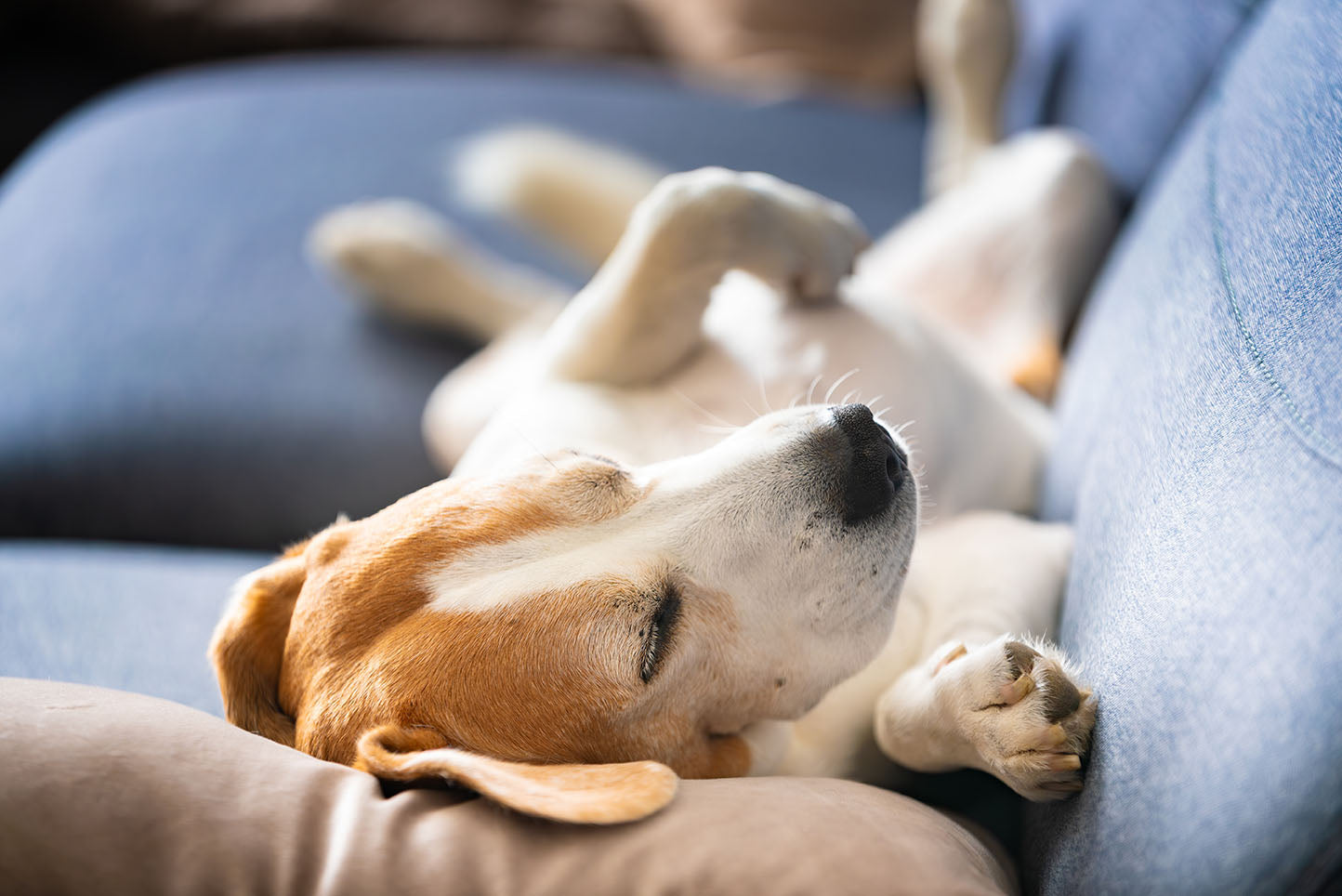
Your dog's gut is home to trillions of microorganisms working around the clock to keep them healthy. When that system collapses, the fallout goes far beyond an upset stomach. It touches immunity, behavior, skin, and long-term disease risk.
This guide covers what the canine gut microbiome actually is, what causes it to collapse, how to recognize when it has, and what the science says about rebuilding gut health effectively. If your dog has been unwell and nothing seems to fully resolve it, the microbiome is often where the answer lies.
What Is the Dog Microbiome?
The dog microbiome refers to the vast community of microorganisms living in your dog's gastrointestinal tract, mainly bacteria, alongside fungi, viruses, and other microbes. In healthy dogs, the gut microbiome is dominated by five bacterial phyla: Firmicutes, Bacteroidetes, Actinobacteria, Fusobacteria, and Proteobacter
This is not a passive community. The gut microbiome actively regulates physiological processes including digestion, immune function, energy metabolism, and even behavior and temperament.
A 2026 study analyzed fecal samples from 107 healthy dogs and identified nearly 1,000 previously unknown bacterial strains in the canine gut, revealing just how much complexity exists inside a healthy dog's digestive system. Most of what lives in your dog's gut has only recently been cataloged, and scientists are still mapping what it all does.
When the gut microbiome is in a balanced state, this is called eubiosis. It is the baseline from which everything else in your dog's health operates.
What Does a Healthy Gut Microbiome Actually Do?
Understanding what the gut microbiome does when it is working properly helps explain why the consequences of collapse are so wide-ranging.
A dog's immune system is associated with the gut, housed in gut-associated lymphoid tissue that depends on gut bacteria to educate immune cells and regulate inflammatory responses. A diverse gut microbiome supports immune function in ways no supplement can fully replicate.
Gut bacteria break down dietary fiber that dogs cannot digest themselves, producing short-chain fatty acids in the process. These compounds nourish the intestinal tract lining, reduce inflammation, regulate gut transit, and help seal the gut barrier against dangerous pathogens.
It communicates with the brain. The gut-brain axis means that gut microbes influence mental well-being, mood, and behavior through metabolic, neural, endocrine, and immune pathways. A dog's gut health is not separate from their emotional and behavioral health. They are the same system.
A thriving, diverse gut microbiome keeps harmful bacteria from gaining a foothold by crowding them out, producing antimicrobial compounds, and maintaining a gut environment that does not favor pathogenic species. When diversity collapses, this protection goes with it.
What Causes the Canine Gut Microbiome to Collapse?
Dysbiosis, the clinical term for gut microbiome collapse, does not always happen dramatically. It can creep in gradually through everyday decisions and exposures.
The Dysbiosis Index, a standardized tool used in veterinary medicine, measures the abundance of seven bacterial taxa to quantify the degree of gut imbalance in dogs. A score above 2 is currently considered indicative of dysbiosis.
Here are the most common causes your vet is watching for.
Broad-Spectrum Antibiotics
Broad-spectrum antibiotics are one of the drivers of gut microbiome disruption in dogs. They do not distinguish between beneficial bacteria and harmful bacteria, which means a single course can strip the gut of diversity rapidly.
A large retrospective study of over 62,000 dogs found that those who eventually developed chronic GI disease had been prescribed significantly more antibiotics than other dogs, suggesting antibiotic administration as a meaningful long-term risk factor rather than just a short-term disruption.
Prescribing antibiotics is sometimes unavoidable and genuinely necessary, but the gut cost requires active management afterward.
Diet and Food Sources
What a dog eats every day shapes the gut microbiome more than almost any other factor. Dog food high in ultra-processed ingredients, artificial sweeteners, and excess carbohydrates depletes the fiber-fermenting bacterial groups that a healthy gut depends on.
Dietary fiber regulates gut transit time, feeds beneficial gut bacteria, and supports short-chain fatty acid production. When dietary fiber drops out of the picture, the gut microbiota shifts toward a less diverse, less resilient state. Food sources that include whole proteins and plant-based fiber support a stable microbiome, promoting the dog's gut health. Highly processed food sources do the opposite.
Parvovirus Infection and Acute GI Tract Events
Some events cause an acute, severe collapse of the gut microbiome. Parvovirus infection is one of the most documented. Research confirms that chronic enteropathies develop in dogs following parvovirus infection, with the same patterns of dysbiosis and decreased short-chain fatty acid-producing bacteria found in both acute and chronic cases.
Dogs with a history of parvovirus infection, Giardia, or severe acute bloody diarrhea are more likely to develop chronic GI problems later in life than dogs without those histories. An acute event that disrupts gut bacteria and depletes gut microbes this severely rarely leaves the gut health of a dog exactly as it was before.
Stress and Environmental Factors
Your dog's gut health isn't just influenced by food. Stress plays a big role too. Long-term stress can change the balance of the gut microbiota, encourage the growth of harmful bacteria, and affect the gut-brain axis, the communication network between the gut and the brain that influences both digestion and behavior.
Dogs dealing with separation anxiety, major changes at home, frequent travel, or other ongoing stress may develop digestive issues that keep coming back until the source of the stress is addressed. That's why two dogs living in the same home and eating the same diet can still have very different gut microbiome compositions.
Medications Beyond Antibiotics
NSAIDs, acid-reducing medications, and other pharmaceuticals also disrupt the gut microbiome and the integrity of the intestinal tract lining as a side effect of their primary function. These are not reasons to avoid necessary medication, but they are reasons to monitor your dog's gut health actively when any long-term pharmaceutical use is involved.
What Happens When the Dog's Gut Collapses?
Once dysbiosis takes hold, the gut microbiome begins failing at its core functions.
Harmful bacteria multiply in the space left by depleted beneficial bacteria. The gut lining weakens, allowing pathogenic bacteria and their byproducts to cross into the bloodstream. Short-chain fatty acid production drops, leaving the intestinal tract lining without the compounds it needs to maintain itself. Immune regulation becomes unpredictable.
The downstream effects show up everywhere. Dysbiosis leads to chronic gastrointestinal dysfunction, immune dysregulation, and metabolic disorders. Dogs with long-standing gut dysbiosis commonly develop Clostridium difficile infections, food sensitivities, itchy skin, recurring ear infections, and behavioral changes including anxiety and reactivity.
Fungal overgrowth is another common downstream consequence worth noting. When gut dysbiosis compromises the immune system's ability to regulate responses across the entire body, dogs become more susceptible to yeast and fungal infections on the skin, ears, and paws, which is why these issues so often appear alongside chronic gut problems rather than in isolation.
The gut-brain axis means that a compromised gut microbiome is producing different signals to the brain than a healthy one, and those signals affect mood, stress tolerance, and cognitive function in ways that can look like behavioral problems rather than gut health issues.
Research on atopic dermatitis in dogs confirms that gut microbial diversity is much lower in affected dogs than in healthy dogs, with measurable differences in microbiome composition between the two groups. The gut-skin axis is one reason that skin problems in dogs often persist even when topical treatments are applied diligently. The immune imbalance driving the skin reaction originates in the dog's gut, not on the surface.
For dogs diagnosed with serious conditions such as cancer, gut microbiome collapse is rarely incidental. Restoring the gut is not a side note in recovery from serious illness. For many dogs, it is central to how well they respond to treatment and how fully they recover overall health.
How to Rebuild a Dog's Gut Microbiome?
If your dog's gut has taken a hit, treatment strategies start with the basics and build from there for a healthy gut. Here's what you can do to improve your dog's digestive system.
Start With What Goes Into the Bowl
Food is the one thing your dog's gut responds to every single day, which makes it the most practical place to start. Dogs do best on a high-protein, low-carbohydrate diet built around whole food sources: lean meats as the base, and plant-based fiber from things like pumpkin, leafy greens, and chicory root to feed the beneficial bacteria already present.
What your dog eats is not just nutrition. It is the environment in which their gut microbiome lives. Avoid dog food with artificial sweeteners, heavy fillers, or highly processed ingredients, as these shift the gut toward less healthy bacterial groups over time.
When switching food, take seven to ten days to transition. Even an upgrade can trigger dysbiosis if the change is too abrupt. Plain unsweetened kefir or yogurt with live bacteria can also be added in small amounts as a simple way to introduce beneficial bacterial species and support gut microbiota diversity alongside the main diet.
Probiotics, Prebiotics, and Live Bacteria for Gut Health
Probiotics introduce live bacteria into the dog's digestive system and work well as support during or after antibiotic use, or for mild gut health issues.
Think of them as reinforcements rather than a rebuild. Most do not permanently colonize the gut, and the bacterial strains in commercial probiotics are limited compared to the complexity of a healthy dog's microbiome.
Prebiotics, the dietary fiber that feeds existing gut bacteria, pair well with probiotics by providing live bacteria with something to thrive on once they reach the intestinal tract. Used consistently together, they give the dog's gut more to work with. For dogs dealing with serious dysbiosis or a gut microbiome composition altered by illness or antibiotic administration, though, diet and probiotics alone are rarely enough to restore a stable microbiome.
Fecal Microbiota Transplantation: Rebuilding From Scratch
Think of a forest that has been clear-cut. You can plant individual trees, but restoring the full ecosystem with the fungi, the understory, the soil microorganisms that make it function, takes something more deliberate. That is the difference between probiotics and FMT when a dog's gut microbiome has genuinely collapsed.
FMT works differently from every other gut health intervention because it does not add to what is already there. It transfers an entire living microbial community from a donor whose gut has never been compromised in the same ways.
FMT outperforms probiotics for gut microbiome restoration, and in veterinary medicine the evidence is building quickly.According to a study, puppies with parvovirus infection who received FMT alongside standard treatment recovered much faster than those on standard treatment alone, because the intervention addressed the ecosystem collapse directly, not just the infection.
Oral FMT capsules containing freeze-dried fecal material make this accessible at home, with an enteric coating that ensures the bacterial content survives stomach acid and reaches the GI tract intact.
Legacy Biome's Healthy Gut Restore capsules are sourced from donors whose microbiomes have been protected from birth: zero lifetime antibiotic use; no NSAIDs, pesticides, or chemical treatments; fed raw animal proteins and fresh organic foods; from a stable, multi-generational lineage with routine pathogen screening and DNA sequencing. Free from GMOs and gluten, shelf-stable for up to two years, and simple to give at home.
The quality of what gets transplanted determines how much of that ecosystem actually takes hold. Speak with your vet before starting.
What to Expect as Your Dog's Gut Recovers
Recovery is rarely linear. Most pet parents expect a clear before-and-after, but gut microbiome restoration tends to occur in layers, with some signs improving quickly and others taking weeks or months to fully shift. Knowing what a realistic timeline looks like helps you stay the course rather than second-guessing the process.
- Week 1-2: Stool consistency is usually the first thing to stabilize. Energy may lift slightly as digestion becomes more efficient and nutrient absorption improves.
- Week 3-4: Appetite steadies, bloating and gas reduce, and behavioral changes tied to the gut-brain axis may begin to ease. Skin changes are rarely visible this early, but the underlying immune response is already improving.
- Month 1-3: Coat condition, chronic itching, and recurring ear infections linked to gut imbalance tend to improve in this window. This is also when dogs with long-standing dysbiosis start showing more consistent overall health rather than cycling between good and bad patches.
- Beyond 3 months: For dogs recovering from serious gut microbiome collapse, full stabilization can take longer. The goal is a dog that is no longer relapsing, reacting, or requiring constant intervention to stay well.
What to Expect After FMT
FMT operates on a different timeline than diet or probiotics because it introduces an entirely new microbial community rather than supporting what is already there. Some dogs show noticeable improvement in digestive symptoms within days to weeks as the donor microbiome begins to establish itself.
More permanent resolution, particularly for dogs with chronic dysbiosis, inflammatory bowel disease, or post-antibiotic gut collapse, typically takes two to three months as the transplanted bacterial species settle, multiply, and crowd out the disrupted populations that were there before.
Mild temporary digestive upset in the first 24 to 48 hours is normal and usually resolves on its own. If symptoms are severe or persistent, contact your vet.
Rebuild Dog's Gut Health With Legacy Biome
A dog's gut microbiome is not a background process. It is the operating system behind immunity, digestion, behavior, and long-term health. When it collapses, the effects ripple outward in ways that are easy to misattribute and hard to fully resolve without addressing the gut directly.
Diet, prebiotics, and live bacteria all play a role in rebuilding it. For dogs that need the deepest level of restoration,Legacy Biome's Healthy Gut Restore offers something no probiotic can: an entire donor ecosystem, delivered where it needs to go.
Frequently Asked Questions About the Dog Gut Microbiome
What is the dog microbiome and why does it matter?
The dog microbiome refers to the trillions of microorganisms living in your dog's gastrointestinal tract that regulate immunity, digestion, nutrient absorption, and behavior. A diverse, balanced gut microbiome is the foundation of your dog's overall health, and when it collapses, the effects appear across multiple body systems simultaneously.
Can a dog's gut microbiome recover on its own after antibiotics?
Yes, in mild cases a dog's gut microbiome can partially recover after antibiotics, but research shows the recovery is often incomplete without active support. Dogs that have had multiple antibiotic courses or developed chronic GI issues are unlikely to recover full microbiome diversity without dietary changes, probiotics, or FMT.
What is fecal microbiota transplantation and is it safe for dogs?
Fecal microbiota transplantation is the transfer of fecal material from a healthy donor into a dog's gut to restore a collapsed microbiome. Yes, it is safe when donors are rigorously screened, and the product is properly encapsulated. Mild temporary reactions occur in a small percentage of cases, and serious adverse events are rare.
How do I know if my dog's gut microbiome has collapsed?
Signs that a dog's gut microbiome has collapsed include chronic diarrhea, recurring digestive symptoms, unexplained weight loss, persistent itchy skin, recurring ear infections, behavioral changes such as anxiety, and poor response to standard treatments. Microbiome testing through your vet provides a definitive picture of what is happening at the level of gut bacteria.

Leave a comment
This site is protected by hCaptcha and the hCaptcha Privacy Policy and Terms of Service apply.