

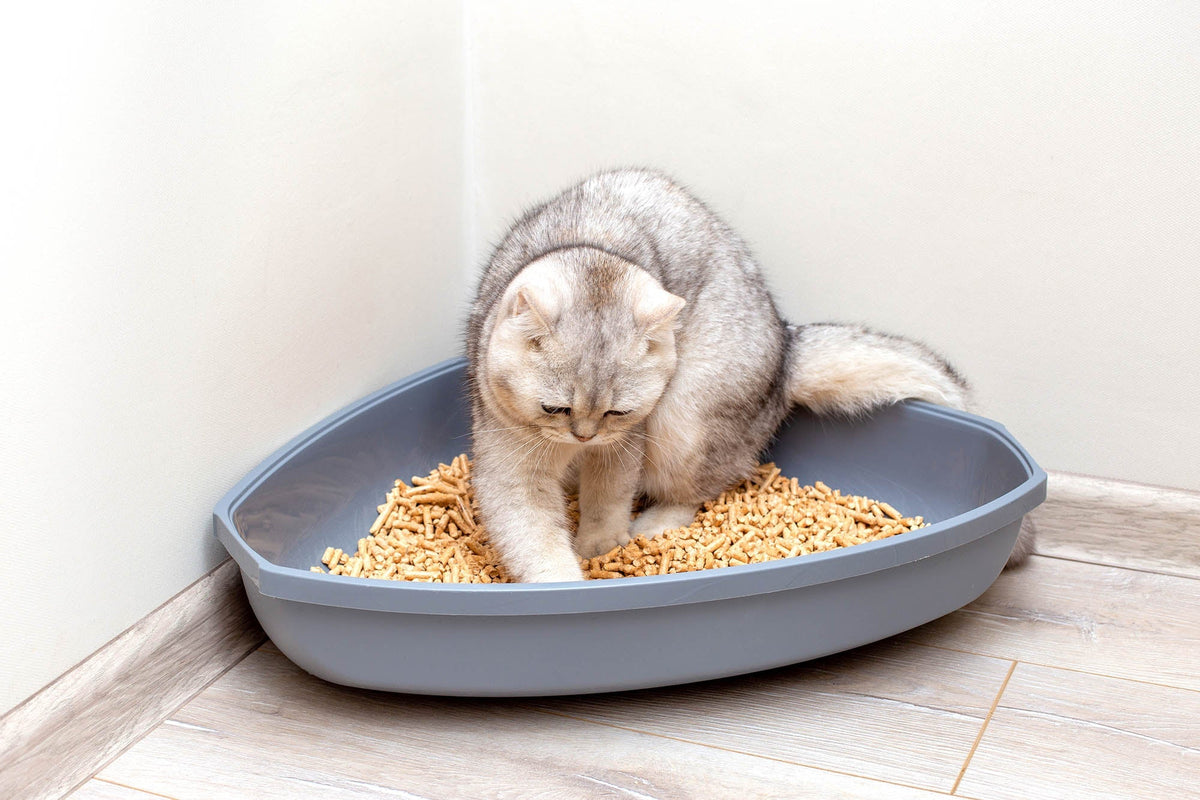
Loose stool is one of the most common health concerns cat owners bring to the vet. It is messy, worrying, and often a sign that something in your cat's digestive system needs attention. The good news is that many cases of soft stool and cat diarrhea can be managed at home with the right approach. The key is knowing what is causing it, what to try first, and when to call your vet. This guide covers everything from litter box red flags to dietary fixes to gut health support, so you can help your cat feel better.
What Does Healthy Cat Poop Actually Look Like?
Before you can firm up cat stool, you need to know what you are aiming for.
Healthy cat poop is chocolate brown, formed, and holds its shape in the litter box. It should not be runny, watery, or so soft that it smears. It should not contain mucus, blood, or undigested food. And it should not smell worse than usual, though cat poop is never a treat.
On average, one in seven cats has unhealthy levels of E. coli in their gut, and many of them show no obvious symptoms at all. Your cat can look and act completely normal while something is genuinely off inside their digestive system.
Checking the litter box every day is one of the simplest health monitoring tools you have as a cat owner. Watch for changes in stool consistency, frequency, color, and volume.
If your cat is going more than three times a day, producing runny poo, or straining in the litter box, that is a signal worth investigating.
What Causes Loose Stool and Cat Diarrhea?
Loose stool in cats has many possible causes, and identifying the right one is what makes the difference between a quick fix and weeks of trial and error.
The most common triggers include the following.
- Diet Change: Switching cat food too quickly is one of the most frequent causes of digestive upset in cats. When you change what your cat is eating, their gut microbiome needs time to adjust. Sudden changes in diet can flip a cat's normal digestion into chaos within 24 hours.
- Food Intolerances: Some cats react poorly to certain proteins or ingredients, leading to persistent soft stool even when they eat the same food consistently.
- Table Scraps and Treats: Cats are obligate carnivores. These items in a cat’s diet trigger acute diarrhea and digestive upset.
- Intestinal Parasites: Giardia, roundworms, and other intestinal parasites are common and underdiagnosed causes of loose stool, especially in indoor cats that have had contact with other cats.
- Stress: Cat diarrhea from stress is more common than most people realize. A new pet, a house move, loud noises, or changes in the household routine can all trigger digestive symptoms in sensitive cats.
- Underlying Health Issues: Inflammatory bowel disease, hyperthyroidism, and other health problems can cause chronic diarrhea that does not resolve without veterinary care.
- Lactose Intolerance: Most adult cats cannot digest dairy properly. Even a small amount of milk or cream can cause runny poo and digestive upset.
What Is Your Cat's Digestive System Actually Doing?
When your cat eats, food moves from the stomach into the small intestine where nutrients are absorbed, then into the large intestine where water is absorbed, and stool is formed. Cat diarrhea happens when something disrupts that process.
Small intestine problems tend to produce large-volume, watery stool. Large intestine problems cause more frequent litter box visits with smaller amounts of urine, sometimes with mucus or blood.
A cat's digestive tract hosts a vast community of beneficial gut bacteria that regulate digestion and immune function. Research confirms that acute and chronic diarrhea in cats is directly linked to gut dysbiosis, with overgrowth of E. coli and a decrease in beneficial bacteria commonly seen in affected cats.
How to Firm Up Cat Stool: Where to Start
Most cases of soft stool in cats trace back to something simple: what they are eating, how quickly their food changed, or what they got into when you were not looking. Start with the basics before reaching for supplements or scheduling a vet visit.
Is Cat Food the Problem?
Cat food is the most practical place to start when your cat has digestive upset. A cat’s diet makes more difference to stool consistency than almost any supplement.
If you recently changed your cat's food, that is almost certainly the cause.
Go back to the previous food if you still have it and reintroduce the new cat food gradually over seven to ten days, mixing a small amount of new food into the old and increasing the proportion each day.
When choosing cat food, wet food is almost always better for digestive health than dry food.
Wet food has higher water content, which supports normal digestion. When cats eat wet food consistently, stool tends to be better formed, and dehydration is less of a risk. Canned food from reputable brands or high-quality single-protein wet food tends to be well tolerated by cats with sensitive digestive systems.
If you are feeding grain-free cat food, be aware that some cats react to the legume and starch fillers used to replace grains, which can contribute to digestive issues.
Dry food can contribute to loose stools in cats that do not drink enough water because inadequate water intake slows gut transit time and concentrates waste, which can disrupt normal stool formation.
Look at the ingredient list on any cat food you are using. A new protein source or formula change by the manufacturer triggers cat diarrhea even when you think you are feeding the same food.
Should You Withhold Food?
Many cat owners wonder whether to withhold food when their cat has diarrhea. For adult cats, a short break from food of no more than 12 to 24 hours can give the digestive tract time to settle, as long as your cat is still drinking water.
Do not withhold food for longer than 24 hours. Cats with an upset stomach still need to eat something within 24 hours. Cats that go without food for extended periods are at risk of hepatic lipidosis, a serious liver condition that develops quickly when cats stop eating.
After the short food break, offer a bland diet such as plain boiled chicken. Once your cat's stool firms up, reintroduce their regular diet gradually over a few days.
Avoid treats during recovery. Treats introduce new ingredients that can keep the gut unsettled when it is trying to recover.
How to Firm Up Cat Stool With Hydration and Fiber
Adequate hydration and fiber are two of the simplest and most effective tools for firming up cat stool that are already in most homes.
Does Your Cat Drink Enough Water?
A cat's water intake directly affects stool consistency. Many cats on dry food do not drink enough, and diarrhea quickly worsens dehydration. Switch to wet food or canned food during any episode of digestive upset.
Add a small amount of low-sodium bone broth to wet food to encourage eating and increase fluid intake. Fresh water available at all times is the minimum needed to prevent dehydration, and a cat water fountain helps many cats drink more consistently.
Add Fiber to Firm Up Cat Poop
Plain canned pumpkin, the unsweetened kind, contains soluble fiber that absorbs excess water and firms up soft stool. Start with a quarter teaspoon mixed into wet food and monitor over 24 to 48 hours.
Fiber feeds beneficial gut bacteria and slows transit time, allowing the body to absorb more water from the stool. If your cat has blood in their stool or other symptoms alongside soft stool, skip the home remedies and go straight to your vet.
Human Food, Toxins, and What to Remove From Your Cat's Environment
If your cat has been getting human food from the table or raiding the kitchen, that could be the entire problem. Many cats react badly to human food even in small amounts.
The most dangerous include the following.
- Onions and garlic, which damage red blood cells and cause digestive upset
- Dairy, including milk and cheese, due to lactose intolerance in adult cats
- Chocolate and caffeine, which are toxic
- Grapes and raisins, which cause kidney damage
- Anything with xylitol, a sweetener used in many human foods
Stop all table scraps immediately if your cat has diarrhea. Make sure other cats in the household are not eating something that your affected cat is also accessing.
Check for accessible household plants, cleaning products, or chemicals that your cat might have eaten. Many common houseplants are toxic to cats and can cause both vomiting and diarrhea.
Foreign Objects, Intestinal Blockages, and Health Issues
Cats are curious, and indoor cats especially will swallow things their GI tract cannot handle. Foreign objects like string, rubber bands, or plastic can cause intestinal blockages that show up as soft stool, vomiting, or straining.
Signs of a blockage include repeated vomiting, lost interest in food, straining without producing anything, and abdominal pain. Intestinal blockages are a medical emergency. Seek veterinary care immediately if you see these health issues together.
Cat Litter Box Habits: What to Watch For
Check the litter box daily. Photograph any abnormal cat poop before cleaning so you have a record for your vet. Note frequency, volume, and whether there is mucus or blood.
Many cats with large intestine issues visit the litter box repeatedly, producing small amounts each time. If you have other cats, each cat needs their own litter box so you can track which one has digestive symptoms. A dirty litter box can cause cats to hold their stool, which contributes to digestive upset.
Probiotics, Gut Health, and Microbiome Support for Cats
Probiotics introduce beneficial bacteria into the cat's digestive tract to help restore normal balance. They work best when the gut microbiome is disrupted by a dietary change, stress, or a mild infection. Look for veterinarian-approved probiotics specifically formulated for cats.
A study found that probiotic supplementation in cats significantly improved gut barrier function, reduced plasma concentrations of markers associated with intestinal damage by 22-30%, and increased populations of beneficial bacteria, along with a 25% increase in immunoglobulin A levels, indicating improved immune function in the gut.
For cats with chronic diarrhea or gut health issues that have not resolved with dietary changes and basic probiotics, the gut microbiome may need deeper restoration than a standard probiotic can provide.
Legacy Biome's Healthy Gut Restore capsules offer fecal microbiota transplantation in an enteric-coated, freeze-dried oral capsule that delivers a complete microbial community from a healthy donor directly into your cat's digestive tract.
The capsules are free of GMOs and gluten, shelf-stable for up to 2 years, and designed for cats and dogs. Every donor has zero lifetime antibiotic use and is fed raw animal proteins and fresh organic foods, from a stable multi-generational lineage with routine pathogen screening and DNA sequencing.
For cats with persistent digestive health issues that have not responded to diet changes and probiotics, this intervention goes to the root of microbiome disruption rather than managing it at the surface.
When to Seek Veterinary Care for Cat Diarrhea
Many cases of cat diarrhea resolve within 24 to 48 hours with dietary adjustments and home monitoring. Some do not, and waiting too long to seek veterinary care can make things worse.
Seek veterinary care immediately if your cat shows any of the following.
- Blood in cat stool, which can appear red or black and tarry
- Severe dehydration signs such as sunken eyes, dry gums, or skin that does not spring back when pinched
- Vomiting alongside diarrhea, especially repeatedly
- Lethargy or your cat appearing to have lost interest in everything
- Diarrhea that has lasted more than 48 hours in an adult cat
- Any diarrhea in a kitten lasting more than 24 hours
- Weight loss alongside ongoing loose stool
- Signs of abdominal pain
Most cats with mild digestive upset will improve within a day or two. Cats with inflammatory bowel disease or other underlying health issues will need a proper diagnosis before their digestive health improves. Your vet can run a fecal test to check for intestinal parasites, bacterial infections, and other causes that home monitoring will not identify.
Preventing Loose Stool in the Future
Once your cat's stool has firmed up, consistent habits keep it that way. Feed wet food as the foundation of your cat's diet, make dietary adjustments gradually over 7 to 10 days, keep treats to a minimum, and maintain regular parasite prevention.
Make fresh water available at all times and keep the litter box clean. Cats who develop ongoing digestive issues are often those whose gut microbiome was disrupted and never fully recovered.
Keep the Litter Box Happy: Why Gut Health Is the Long Game
Firm cat stool is not just about what goes into the litter box. It reflects how well your cat's gut microbiome is functioning. Diet, hydration, stress management, and the right microbial support all play a role.
For most cats, addressing the food first and adding probiotics resolves the problem within a few days. For cats with ongoing or recurring digestive symptoms, Legacy Biome's Healthy Gut Restore offers a complete donor microbiome from animals raised specifically to produce one worth transplanting into a cat that needs it.
Frequently Asked Questions
How quickly should cat stool firm up after a diet change?
Cat stool typically begins to firm up within 24 to 48 hours of reverting to a previous food or starting a bland diet, because the digestive tract responds quickly to dietary consistency. If stool has not improved within 48 hours, or your cat has other symptoms like vomiting or lethargy, a vet visit is the next best step rather than continuing to wait.
Can I give my cat pumpkin every day to firm up their stool?
Yes, a small amount of plain canned pumpkin can be given daily as a fiber supplement to help firm up cat stool, as long as your cat tolerates it and it is plain with no added sugar or spices. Start with a quarter teaspoon mixed into wet food and adjust based on how your cat's digestive health responds over several days.
Why does my indoor cat keep getting diarrhea?
Indoor cats get recurring cat diarrhea most commonly from food intolerances, stress, or a disrupted gut microbiome, because indoor environments reduce exposure to environmental microorganisms that support microbial diversity. If your cat's loose stool keeps coming back despite dietary management, a fecal test from your vet can identify whether parasites or dysbiosis is the underlying cause.
Is it safe to withhold food from a cat with diarrhea?
Yes, withholding food for 12 to 24 hours is generally safe for adult cats with diarrhea because a short food break allows the digestive tract to settle without the additional stress of processing food. However, never fast a cat for more than 24 hours, as prolonged fasting can lead to hepatic lipidosis, a serious liver condition that develops quickly in cats that stop eating.

Leave a comment
This site is protected by hCaptcha and the hCaptcha Privacy Policy and Terms of Service apply.