

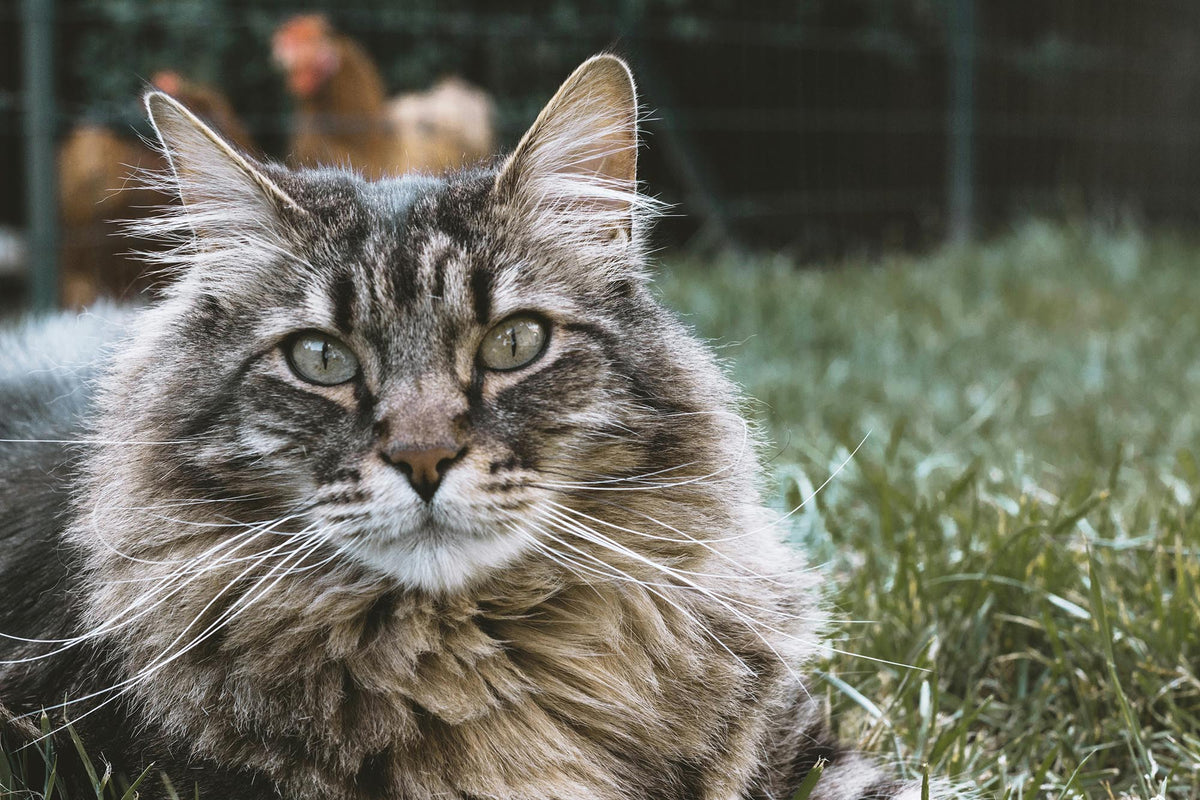
Most cat owners think about food, vaccines, and vet visits. Very few think about what is living inside their cat's gut, doing most of the work.
The cat gut microbiome is a community of trillions of bacteria and other microbes that controls digestion, trains the immune system, and affects everything from coat condition to behavior.
When it is healthy, your cat thrives. When it is disrupted, almost nothing else in the body works the way it should. This guide covers what the feline gut microbiome is, how it works, what disrupts it, and how to support it.
What Is the Cat Gut Microbiome?
The cat gut microbiome is the entire community of microorganisms living inside your cat's gastrointestinal tract. We are talking about trillions of bacteria, fungi, and other microbes, all living together in a system that is constantly influencing your cat's health. These gut microbes are not passengers. They are active workers.
They break down food your cat cannot digest alone, produce vitamins and compounds that protect the gut lining, train the immune system to recognize threats, and keep harmful bacteria from multiplying.
Cats are obligate carnivores, which means Felis catus, the domestic cat, evolved to eat almost exclusively meat. Their gut microbiome reflects this. It is built for processing high-protein, high-fat diets, not the starchy, carbohydrate-heavy formulas common in many commercial cat foods.
This is one of the reasons high-carbohydrate diets disrupt the cat gut microbiome in ways they would not in an omnivore like a dog or a human. The gut bacteria in cats are simply not designed for heavy carbohydrate digestion, and when the diet pushes in that direction, the microbial balance shifts in ways that cause health problems.
What Bacteria Live in a Healthy Cat's Gut?
The gut bacteria inside a healthy cat are organized into groups called phyla, which are broad categories of bacteria with shared characteristics.
Research consistently shows that over 99% of the bacteria in a healthy cat's gut belong to four main phyla: Firmicutes, Bacteroidetes, Actinobacteria, and Proteobacteria.
Here is a simple way to think about each group.
- Firmicutes (36 to 50%): The largest group. Includes bacteria that ferment fiber and produce butyrate, a compound that feeds the cells lining the colon and reduces gut inflammation. Think of this group as the gut's maintenance crew.
- Bacteroidetes (24 to 36%): Helps process nutrients and keeps the balance between different bacterial populations. Bacteroides species are a major part of this group in healthy domestic pet cats.
- Actinobacteria (4 to 7%): A smaller group that contributes to the overall metabolic versatility of the gut environment.
- Proteobacteria (11 to 12%): Includes both beneficial and potentially harmful bacteria. When this group grows too large, it is often a sign that something is wrong.
The Kitty Microbiome Project, which analyzed fecal samples from 161 healthy cats, identified the core genera most consistently found in the feline gut: Prevotella species, Bacteroides species, Blautia, Collinsella, and Megasphaera.
Prevotella species help with carbohydrate metabolism and amino acid processing. Bacteroides species help maintain the balance among different microbial populations. Strains like Enterococcus produce lactic acid that lowers the pH in the gut, making it harder for harmful bacteria to survive.
The important takeaway is not memorizing these names. It is understanding that a healthy feline gut microbiome is diverse, with many different species doing different jobs. When diversity drops, problems follow.
How the Feline Gut Microbiome Changes Over Time
Your cat's gut microbiome is not fixed. It changes throughout their life, and knowing when it is most vulnerable helps you protect it.
Kittens acquire their first microbes from their mother during birth and nursing. This early microbial exposure sets the foundation for immune development.
Kittens in colony-cat environments or shelters can have gut microbiota profiles different from those of kittens raised in single households, often with lower diversity due to stress and greater antibiotic exposure.
Adult cats with a stable diet and environment maintain relatively consistent gut bacteria. This is the baseline that veterinarians use to measure what dysbiosis looks like in an individual cat.
Senior cats are where things get more complicated. Microbial diversity is often lower in older cats than in younger cats. Senior cats also deal with conditions like chronic kidney disease, hyperthyroidism, and reduced gut motility, all of which further alter the microbial composition.
Supporting the gut microbiome in older cats is more important than at any other life stage because the natural diversity that was protecting them is already declining.
Age is not the only variable. Environmental exposures, stress levels, medication history, and whether a cat lives indoors or outdoors all shape the gut microbiota in ways that differ meaningfully between individual cats. This is why two cats of the same age on the same food can have quite different gut health profiles, and why treatment that works for one may not work identically for the other.
How Cat Food and Diet Influence the Gut Microbes
Diet is the single biggest daily influence on your cat's gut bacteria. What goes into the bowl determines which microbes thrive and which ones fade.
Wet Food vs Dry Food
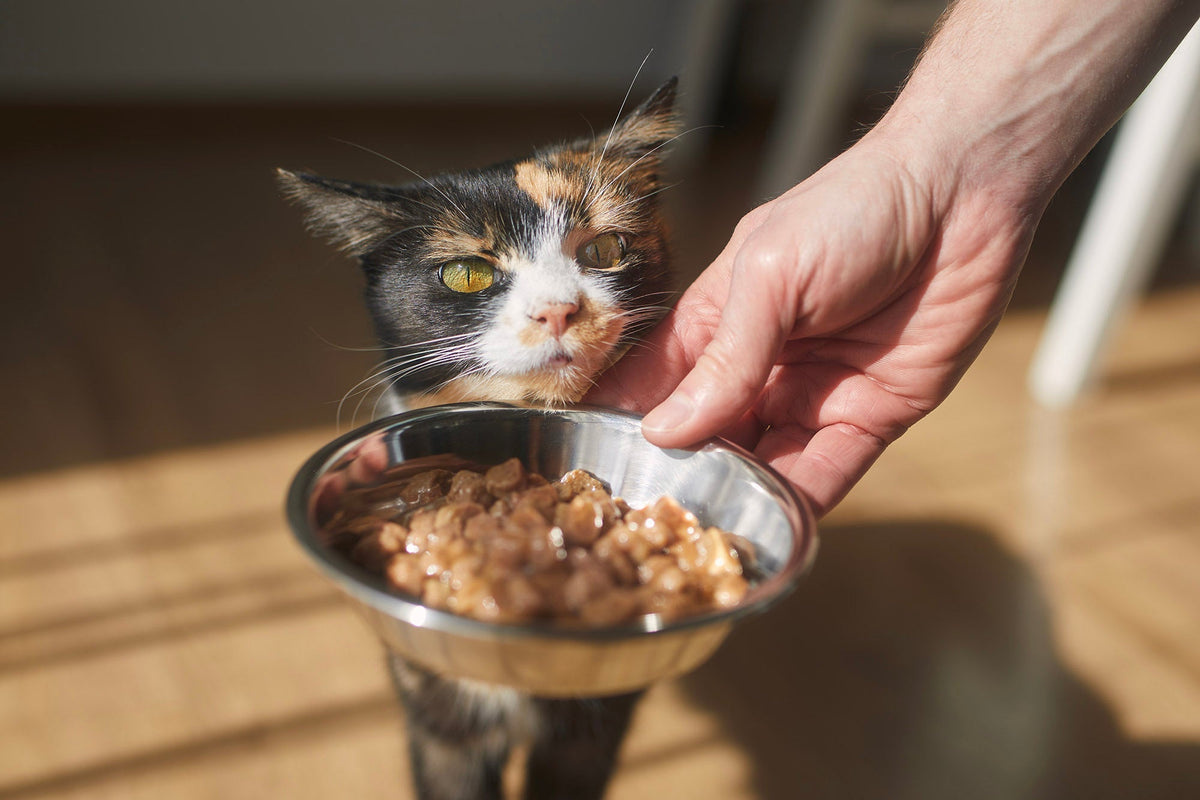
Wet food and canned food match the nutritional profile that the feline gut microbiome evolved with: high protein, high moisture, low carbohydrate.
Gut microbes ferment dietary residues and unabsorbed carbohydrates to produce lactic acid and short-chain fatty acids, but cats consuming high-carbohydrate diets show disrupted carbohydrate metabolism and altered microbial populations.
Dry kibble typically contains more carbohydrate than wet food. For diabetic cats, high-carbohydrate diets directly worsen glycemic control and fuel the growth of bacteria that should not be dominant in the feline gut.
Wet food is the most consistent dietary choice for supporting a healthy feline gut microbiome. Not only does it provide a more species-appropriate macronutrient balance, but its moisture content also supports gut motility and nutrient absorption.
Raw Diets
Cats consuming raw meat diets generally show higher microbial diversity, more closely resembling the gut microbiome of wild felids. The tradeoff is pathogen risk. Raw diets require careful sourcing and handling to avoid Salmonella, Campylobacter, and other bacteria that can harm both the cat and household members.
Switching Cat Food
Any change to a cat's diet should happen gradually over seven to ten days, mixing increasing amounts of the new food into the old food. Even a healthier formula can cause digestive upset if introduced overnight.
Sudden diet changes alter microbial populations faster than the gut can adjust, producing acute gastrointestinal symptoms even when the new food is genuinely better. This is especially important for cats with existing gut health issues or intestinal dysbiosis.
Dietary Fiber, Fiber Sources, and Short Chain Fatty Acids
Fiber might seem like an odd thing to talk about with obligate carnivores, but the right fiber sources at the right levels make a difference to feline gut health.
When gut bacteria ferment dietary fiber in the large intestine, they produce short-chain fatty acids. These are not a small detail. They are some of the most important compounds in the feline gut.
Butyrate feeds the cells lining the colon. Without enough butyrate production, the gut lining weakens, and harmful bacteria gain access to the bloodstream. Butyrate also has anti-inflammatory properties that help manage chronic inflammation in conditions like feline IBD.
Propionate goes to the liver and influences how the body processes glucose. This is relevant for diabetic cats and cats prone to metabolic disorders.
Acetate enters systemic circulation and plays a role in reducing inflammation across multiple organ systems.
Here is a quick reference for common fiber sources used in feline diets.
|
Fiber Source |
Fermentability |
Main Benefit |
|
Beet pulp |
Moderate |
Improves fecal consistency, supports beneficial bacteria |
|
Psyllium |
Low to moderate |
Reduces chronic diarrhea and constipation |
|
Inulin |
High |
Increases beneficial bacteria populations |
|
FOS |
High |
Prebiotic effect, promotes microbial diversity |
Psyllium-enriched feline diets improve fecal consistency in 82 to 93% of cats, making it one of the most clinically useful fiber interventions in veterinary medicine. Inulin supplementation increases beneficial bacteria like Bifidobacterium and Lactobacillus but can cause gas and loose stools if introduced too quickly.
Always add fiber gradually and alongside increased water intake. Fiber without enough fluid can make constipation worse rather than better.
The Gut Microbiome and Your Cat's Immune System
Here is something most cat owners do not know: approximately 70% of your cat's immune cells are located in the gut wall. That means the gut microbiome is not just about digestion. It is the central operating system of your cat's immune function.
Beneficial bacteria in the feline gut train immune cells to distinguish between everyday harmless substances and actual threats. They regulate inflammatory responses. They maintain the gut barrier, which prevents pathogenic bacteria from entering the bloodstream.
When that community of beneficial bacteria is healthy and diverse, your cat's immune system works predictably. When gut dysbiosis sets in, immune responses become dysregulated. Chronic inflammation spreads. Cats become more prone to infections, allergies, and secondary conditions that seem unrelated to digestion.
Gut bacteria also synthesize vitamins, recycle bile acids, and produce amino acids that communicate with the nervous system through the gut-brain axis. This is why stress, illness, or pain can change gut microbiota composition, and why cats dealing with chronic anxiety often have concurrent gut health problems.
A stressed cat is not just emotionally unsettled. Their gut microbiome is measurably different from that of a calm cat, and that difference has downstream consequences for digestion, immune function, and overall health.
Antibiotic treatment is one of the biggest risks to this immune-gut relationship. Research shows that a single antibiotic course can disrupt microbial diversity for over two years without active restoration. Cats that receive repeated antibiotic treatments without gut microbiome support are at a significantly elevated risk of long-term intestinal dysbiosis.
Common Cat Health Conditions Linked to the Gut Microbiome
A disrupted gut microbiota does not just cause digestive symptoms. It drives immune dysfunction, skin issues, metabolic changes, and chronic conditions that can take months to develop and just as long to resolve.
Chronic Diarrhea and Inflammatory Bowel Disease
Chronic diarrhea lasting two to three weeks or more is one of the clearest signs that a cat's gut microbiome has shifted in a harmful direction.
Studies confirm that cats with chronic diarrhea have measurably different gut microbiota compositions than healthy cats, with altered relative abundances of major bacterial phyla.
Feline IBD involves persistent intestinal inflammation driven in part by a disrupted gut microbiome. Gut bacteria that should produce short-chain fatty acids and keep inflammation in check are replaced by populations that promote the inflammatory cycle. Dietary management and immunosuppressive therapy help, but restoring microbial diversity is increasingly recognized as a necessary part of managing this condition in the long term.
Chronic Kidney Disease
Chronic kidney disease is one of the most common conditions in older cats, and the gut microbiome plays a direct role in how quickly it progresses.
When gut bacteria break down protein in an already impaired system, they produce uremic toxins that the damaged kidneys struggle to clear. These toxins accumulate, further accelerating kidney damage.
Shifting the gut microbiota away from urease-producing bacteria through dietary management reduces the production of uremic toxins. This is an active area of gastrointestinal microbiota research in feline medicine and one of the reasons diet is so central to chronic kidney disease management in cats.
Diabetic Cats and Metabolic Disorders
Diabetic cats exhibit distinct gut microbiota profiles compared with healthy cats, and high-carbohydrate diets worsen both dysbiosis and the underlying metabolic disorder.
Low-carbohydrate, high-protein cat food reduces the microbial substrates that fuel dysbiosis-promoting fermentation and supports better glucose control. Weight loss in diabetic cats is often driven by nutrient absorption failure at the intestinal level, which the gut microbiome directly influences.
Colony Cats and Environmental Factors
Colony cats and shelter cats show distinct gut microbiota profiles compared with household pet domestic cats, reflecting the influence of stress, dietary variability, higher antibiotic exposure, and varied environmental exposures. These differences matter clinically when treating colony cats with chronic gastrointestinal conditions, as the microbial baseline differs from that considered normal in studies of healthy pet cats.
Diagnosing Gut Microbiome Problems in Cats
When your cat has ongoing gastrointestinal symptoms, fecal testing gives an objective picture of what is happening at the microbial level.
The most commonly used tool in clinical practice is the Dysbiosis Index from the Texas A&M Gastrointestinal Laboratory. It measures the abundance of eight specific bacterial groups in a single fecal sample and produces a single score indicating the degree of microbial imbalance.
A score above 2 indicates significant intestinal dysbiosis in cats. This test is now a standard part of the diagnostic workup for cats with chronic diarrhea, unexplained weight loss, and confirmed or suspected inflammatory bowel disease.
A 2024 study confirmed that collecting fecal samples from the litter box yields results equivalent to those from clinical fecal loop collection, meaning cat owners can collect samples at home without a clinic visit to obtain meaningful microbiome data.
Submit fecal samples fresh, ideally within 24 hours of collection, in a clean container. Repeat testing after any microbiome intervention confirms whether the gut bacteria are actually recovering.
How to Support Your Cat's Gut Microbiome
Supporting your cat's gut microbiome does not require expensive interventions. Most of the time, the most powerful changes come from what you put in the bowl and how consistently you do it.
Start With Diet
Feed a high-protein, low-carbohydrate diet that reflects what the feline gut microbiome evolved to process. Prioritize wet food over dry kibble. Introduce any new cat food gradually over seven to ten days. Encourage water intake through wet food, multiple water bowls, and pet fountains.
Add the Right Fiber
Use moderately fermentable fiber sources like beet pulp or psyllium under veterinary guidance. Introduce highly fermentable sources like inulin cautiously. Always pair fiber additions with increased water intake. Adding fiber without enough fluid makes constipation worse.
Use Probiotics Strategically
Veterinary-formulated probiotics with feline-compatible strains support the gut bacteria community during and after antibiotic treatment and help maintain healthy fecal consistency. They work best as ongoing maintenance rather than a one-off course.
Consider Fecal Microbiota Transplant When Probiotics Are Not Enough
For cats with severe or recurring dysbiosis that does not respond to dietary changes and probiotics, fecal microbiota transplantation delivers something no supplement can: a complete, living microbial community from a healthy donor.
Legacy Biome's Healthy Gut Restore capsules are freeze-dried fecal microbiota capsules in an enteric-coated format from donors with zero lifetime antibiotic use, raised on raw animal proteins and fresh organic foods, from a stable multi-generational lineage with routine pathogen screening and DNA sequencing.
Free from GMOs and gluten, shelf-stable for up to two years, and designed for both cats and dogs to be given at home. Speak with your veterinarian before starting, particularly if your cat has chronic kidney disease, inflammatory bowel disease, or immune-compromising conditions.
Monitor Consistently
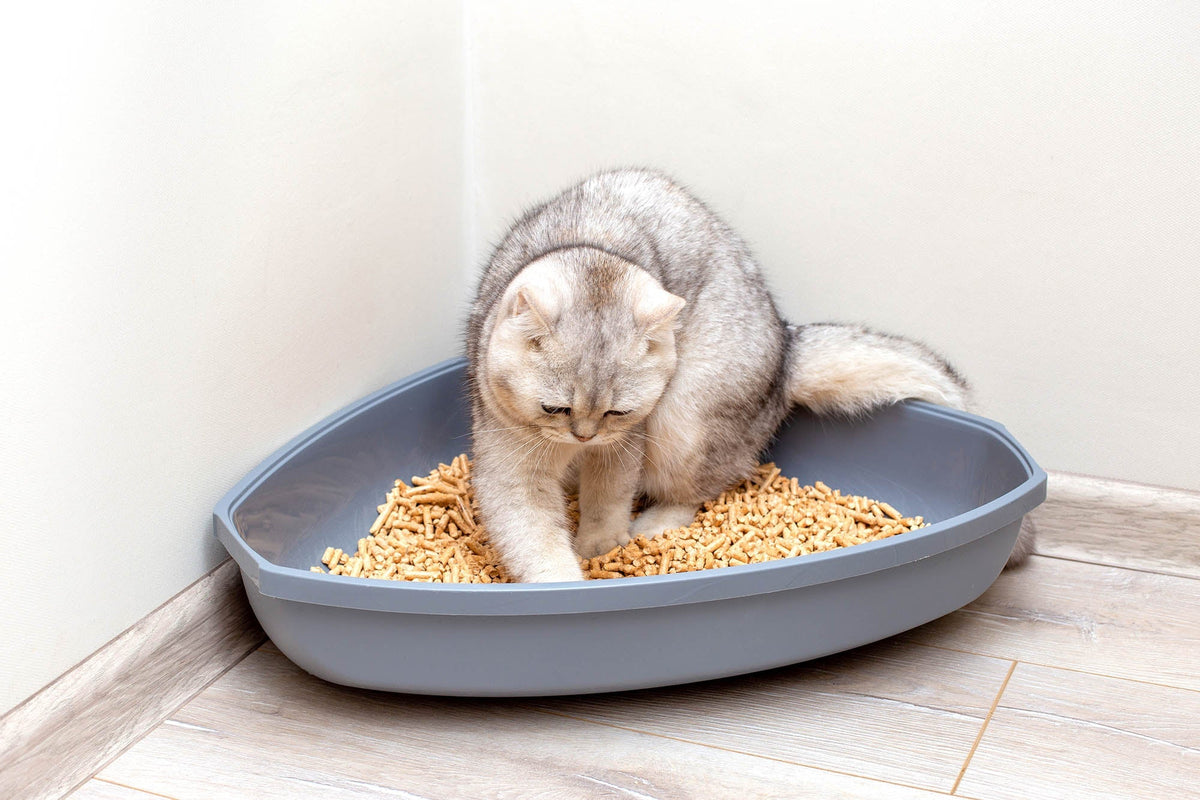
Check the litter box daily. Document any changes in stool consistency, frequency, or appearance. Note changes to cat food, new medications, or environmental stressors. This log is far more useful to your veterinarian than a description of symptoms from memory, and it considerably shortens the diagnostic process.
Regular grooming reduces hair ingestion that contributes to gut motility problems and constipation, especially in long-haired cats. Even small daily habits like brushing and consistent feeding times give the gut microbiome the stability it needs to stay balanced over the long term.
Restore Your Cat's Gut Health With Legacy Biome
The feline gut microbiome is the foundation of everything: digestion, immunity, behavior, and long-term health. Diet is the most powerful daily lever, but for cats whose gut bacteria have been significantly disrupted by chronic disease, repeated antibiotics, or conditions like feline IBD, diet and probiotics alone are rarely enough.
Legacy Biome's Healthy Restore for cats is developed for exactly these cats, delivering a complete donor microbiome sourced to the highest standards in a format that makes clinical-grade microbiome restoration practical at home.
Frequently Asked Questions
What bacteria live in a healthy cat's gut microbiome?
A healthy feline gut microbiome is dominated by four main bacterial phyla: Firmicutes, Bacteroidetes, Actinobacteria, and Proteobacteria. Firmicutes is the largest group at 36 to 50% and includes the bacteria most responsible for producing short-chain fatty acids that protect the gut lining. The Kitty Microbiome Project identified Prevotella species, Bacteroides species, and Blautia as the core genera most consistently found across healthy pet domestic cats.
Does diet affect the cat gut microbiome?
Yes, diet is the single largest modifiable factor in the feline gut microbiome because what a cat eats every day determines which bacteria thrive and which decline. High-protein, low-carbohydrate wet food supports the gut bacteria cats evolved with, while high-carbohydrate dry kibble promotes microbial imbalance. Any cat food change should happen gradually over seven to ten days.
What are the signs that a cat's gut microbiome is disrupted?
Signs of gut microbiome disruption in cats include chronic diarrhea lasting more than two to three weeks, unexplained weight loss, recurring vomiting, decreased appetite, and skin or coat changes linked to immune dysfunction. Confirmation comes from fecal microbiota testing using the Dysbiosis Index, which gives an objective score from a single fecal sample.
When should I consider FMT for my cat's gut health?
FMT is worth discussing with your veterinarian when your cat has chronic diarrhea lasting two to three weeks or more, confirmed gut dysbiosis, inflammatory bowel disease unresponsive to dietary management, or a gut microbiome disrupted by repeated antibiotic treatment. It is increasingly used as adjunctive therapy in feline medicine when diet and probiotics have not restored normal gut bacteria.
How does gut health affect a cat's immune system?
Approximately 70% of a cat's immune cells reside in the gut wall, making the gut microbiome central to immune function. Beneficial bacteria train immune cells, regulate inflammation, and maintain the gut barrier that stops harmful bacteria from entering the bloodstream. When gut dysbiosis reduces microbial diversity, immune responses become unpredictable, chronic inflammation spreads, and cats become more vulnerable to infections, allergies, and secondary conditions.

Leave a comment
This site is protected by hCaptcha and the hCaptcha Privacy Policy and Terms of Service apply.