

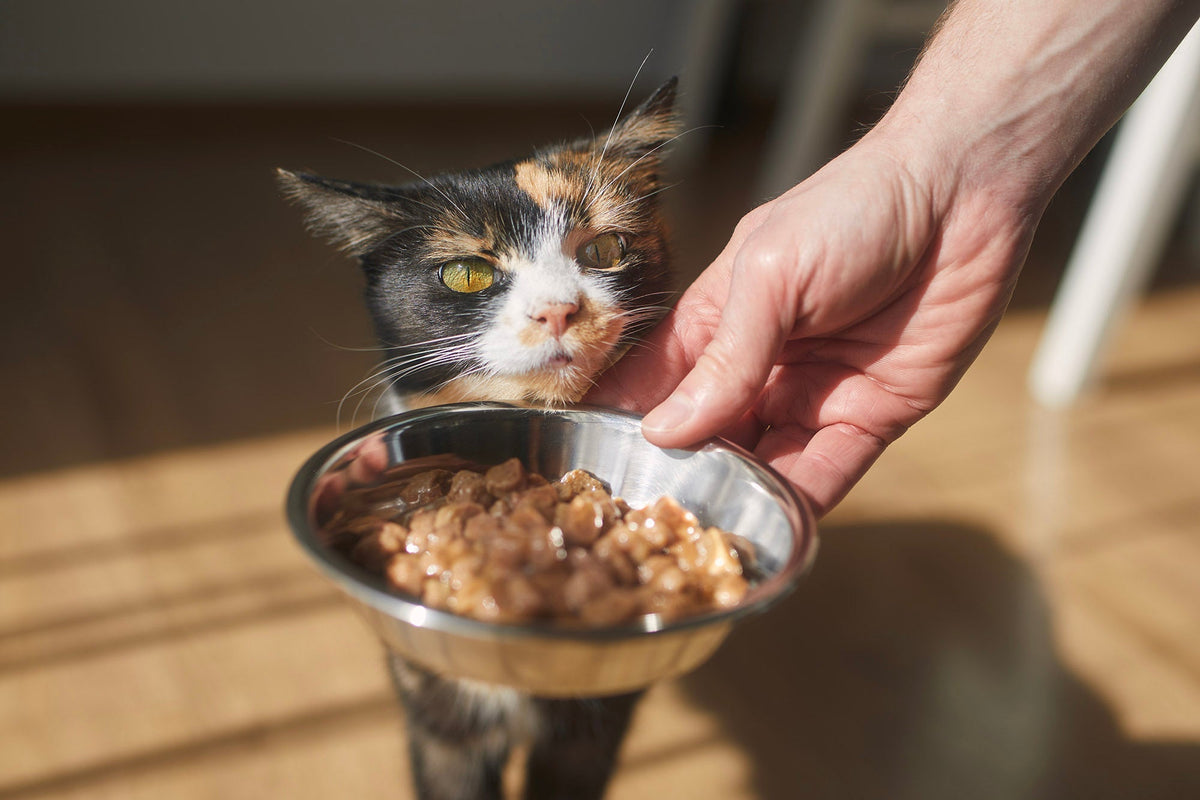
Watching your cat vomit right after a meal is alarming, especially when it keeps happening. Sometimes the reason is simple. Your cat ate too fast, or they swallowed too much fur. Other times, throwing up after eating is a sign of something that needs attention. Knowing the difference saves you unnecessary panic and helps you catch problems early. This guide covers the most common reasons cats throw up after eating, what each type of vomiting looks like, and when to call your vet.
Vomiting vs Regurgitation: They Are Not the Same Thing
Vomiting is active: your cat heaves, may drool beforehand, and brings up partially digested food or bile. Regurgitation is passive: food comes up immediately after eating with no abdominal effort, usually as undigested food still shaped like kibble.
The difference matters because regurgitation usually points to eating pace, while true vomiting points to something happening in the stomach or digestive tract. Recording a short video on your phone is more useful than any description when you visit your vet.
Why Does My Cat Throw Up After Eating? The Most Common Reasons
Most cats throw up occasionally, and most of the time it is not a serious health problem. Here are the causes that come up most often.
Cats Eat Too Fast
Eating pace is the most common reason a cat throws up right after a meal. When food hits an empty stomach too fast, the body brings it back up, and what comes out is usually undigested food in a tube shape, which is regurgitation rather than true vomiting.
Cats in multi-cat households, former strays, and cats fed once daily on an empty stomach are the most likely to rush meals. A slow feeder bowl or puzzle feeder solves this quickly. Smaller, more frequent meals also help by reducing the volume the stomach has to handle at once.
Dry Food and Kibble
Dry food expands when it absorbs water in the stomach. A cat that eats large amounts of dry food quickly and then drinks can vomit from the expansion. Switching to wet food or canned food reduces this risk because the moisture content is already built in.
Hairballs
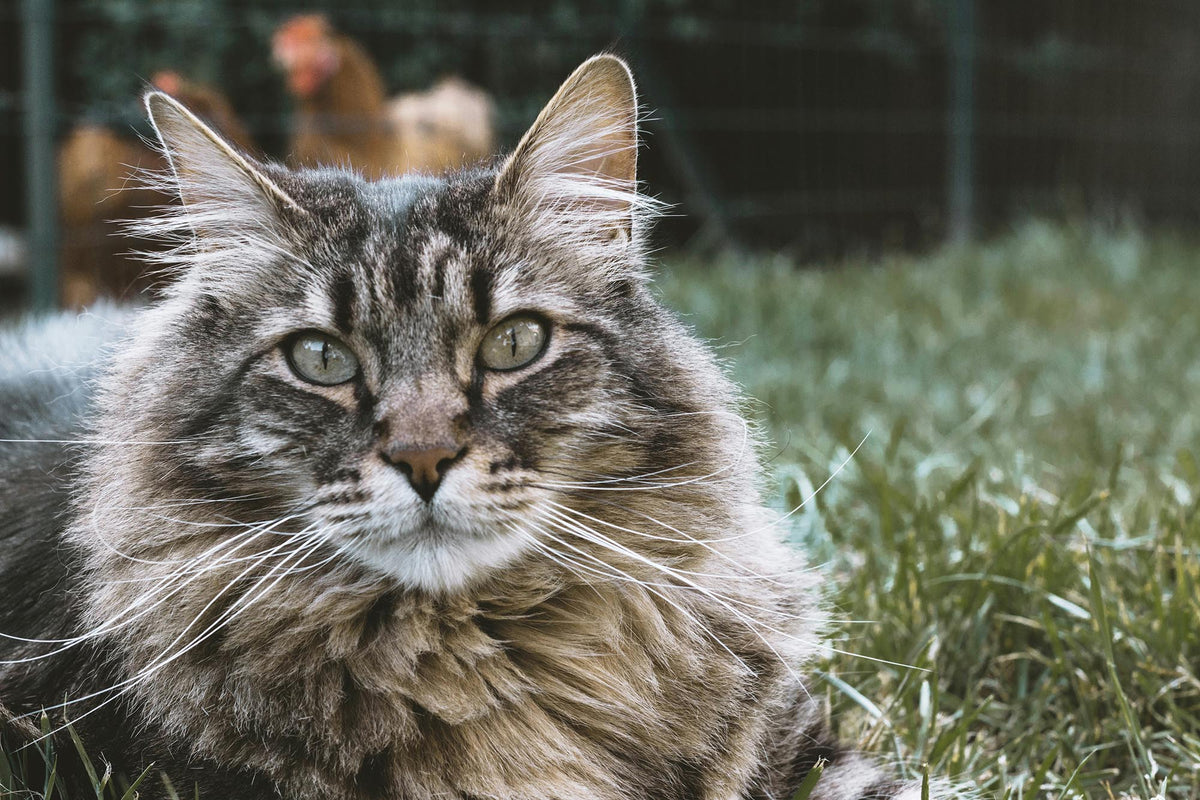
Long-haired breeds and heavy groomers swallow more loose fur during grooming, and occasional hairballs are normal behavior. Hairball vomit is usually a tubular wad of matted fur, sometimes mixed with bile. Regular brushing and high-fiber cat food help reduce how often this happens.
Cat Food Changes and Food Sensitivities
Switching cat food abruptly upsets the stomach because the gut microbiome needs time to adjust. Introduce new food gradually by mixing increasing amounts into the current food over seven to ten days.
Food sensitivities and food allergies are a separate issue. A cat that throws up after eating the same food consistently, even after a proper transition, may have a food intolerance to an ingredient. Chicken, beef, and fish are the most common triggers. A vet-guided elimination diet identifies the root cause.
Intestinal Parasites
Roundworms, hookworms, and Giardia can all cause vomiting in cats alongside diarrhea and weight loss. Curious creatures that go outdoors or have contact with other cats are at higher risk. A fecal exam identifies whether parasites are involved, and a treatment plan can follow.
Eating Non-Food Items and Toxins
Small toys, rubber bands, string, human foods like onions or garlic, and human medications can all cause vomiting in cats. Even small amounts of common pain relief medication can damage a cat's stomach and kidney function.
Signs of a foreign object obstruction include repeated vomiting that does not stop, lethargy, and abdominal pain. Seek veterinary attention immediately if toxin or foreign body ingestion is suspected.
When Cat's Vomiting Points to a Deeper Health Issue
Occasional vomiting once every few weeks in a cat that is otherwise eating well, maintaining weight, and behaving normally is usually not a cause for alarm.
What cat owners sometimes do not recognize is that frequent or severe vomiting, more than once a week, is not something to simply wait out. Chronic vomiting is a symptom of an underlying health issue, not a quirk of your cat's personality.
Inflammatory Bowel Disease
Inflammatory bowel disease (IBD) is one of the most common chronic causes of cats' vomiting in adult cats and older cats.
Inflammatory bowel disease involves ongoing inflammation in the digestive tract that disrupts normal digestion and causes regular vomiting after eating, alongside diarrhea, weight loss, and reduced appetite. It is diagnosed through biopsy and requires long-term management.
When the gut microbiome is significantly disrupted, dietary changes and probiotics may not be enough. Fecal Microbiota Transplant (FMT) transfers a complete microbial community from a healthy donor into the cat's gut, addressing the underlying dysbiosis driving inflammation.
Legacy Biome's Healthy Gut Restore capsules are freeze-dried FMT capsules from donors with zero lifetime antibiotic use, raised on raw animal proteins and fresh organic foods, simple to give at home. Speak with your vet before starting.
Kidney Disease and Hyperthyroidism
Kidney disease is one of the most frequent causes of vomiting in older cats, often missed early because it comes on gradually. Hyperthyroidism speeds up metabolism and disrupts digestion, causing vomiting alongside weight loss despite increased appetite. Both are identified through blood tests and a physical examination.
What Different Types of Cat Vomit Mean
What comes up tells you a lot about where the problem is. Pay attention to color, texture, and timing, because each combination points to a different part of the digestive process.
- Undigested food immediately after eating: Usually regurgitation from eating pace or dry food expansion
- Partially digested food with bile: True vomiting, suggests something triggered the stomach after food had already begun to digest
- Yellow or green bile on an empty stomach: Cat's stomach producing acid with nothing to process, often from skipped meals or early morning vomiting
- Blood in vomit: Seek immediate veterinary attention
- Worm segments or parasites: Intestinal parasites confirmed; vet visit needed for treatment plan
- Fur tube: Hairball, usually not a health problem unless happening very frequently
When Cat Is Throwing Up: Red Flags That Need a Vet Visit
Most cat vomiting can be monitored at home for 24 to 48 hours if the cat is otherwise alert and drinking water.
Seek veterinary care immediately if your cat is throwing up and also:
- Has not eaten for more than 24 hours
- Shows signs of lethargy, weakness, or pain
- Has blood in the vomit
- Is losing weight rapidly
- Is vomiting repeatedly without stopping
- May have eaten something toxic or swallowed a foreign object
- Is a kitten, as kittens dehydrate faster and need prompt attention
Immediate veterinary attention is also needed if your cat continues throwing up despite removing food access, as this suggests something beyond simple dietary upset.
How to Help Your Cat at Home
If your cat threw up once and seems fine, remove food for two to four hours, offer small sips of water, then try a small amount of bland food like plain boiled chicken. Reintroduce their regular diet gradually. If vomiting returns or your cat shows other symptoms, contact your vet rather than waiting it out.
A Healthy Gut Means Less to Worry About
Most cases of a cat throwing up after eating have a simple explanation and a straightforward fix. Slowing the eating pace, switching to wet food, or gradually transitioning the cat food resolves a large proportion of cases.
For cats with ongoing vomiting linked to gut dysbiosis, food sensitivities, or chronic conditions, Legacy Biome's Healthy Gut Restore supports root-level microbiome restoration.
A stable, diverse gut microbiome is the foundation of consistent digestion, and for cats that keep throwing up despite dietary management, that is often where the answer is.
Frequently Asked Questions
Is it normal for cats to throw up after eating?
Occasional vomiting once every few weeks in an otherwise healthy cat is considered normal behavior, particularly if it is linked to hairballs or eating pace. If a cat is throwing up more than once a week, or vomiting along with weight loss, lethargy, or other symptoms, it is not normal and requires veterinary evaluation to identify the underlying cause.
Why does my cat throw up undigested food right after eating?
When a cat throws up undigested food immediately after a meal, it is usually regurgitation from eating too fast rather than true vomiting. Cats eat quickly when they are hungry, anxious, or competing with other cats, and the food comes back up before the stomach can process it. A slow feeder bowl and smaller, more frequent meals usually resolve this.
When should I take my cat to the vet for vomiting?
Seek veterinary advice if your cat's vomiting is frequent or severe, lasts more than 24 to 48 hours, involves blood, or is accompanied by other symptoms like weight loss, lethargy, or loss of appetite. Immediate veterinary attention is needed if you suspect your cat has eaten something toxic or swallowed a foreign object, as these situations can become life-threatening quickly.


Leave a comment
This site is protected by hCaptcha and the hCaptcha Privacy Policy and Terms of Service apply.