

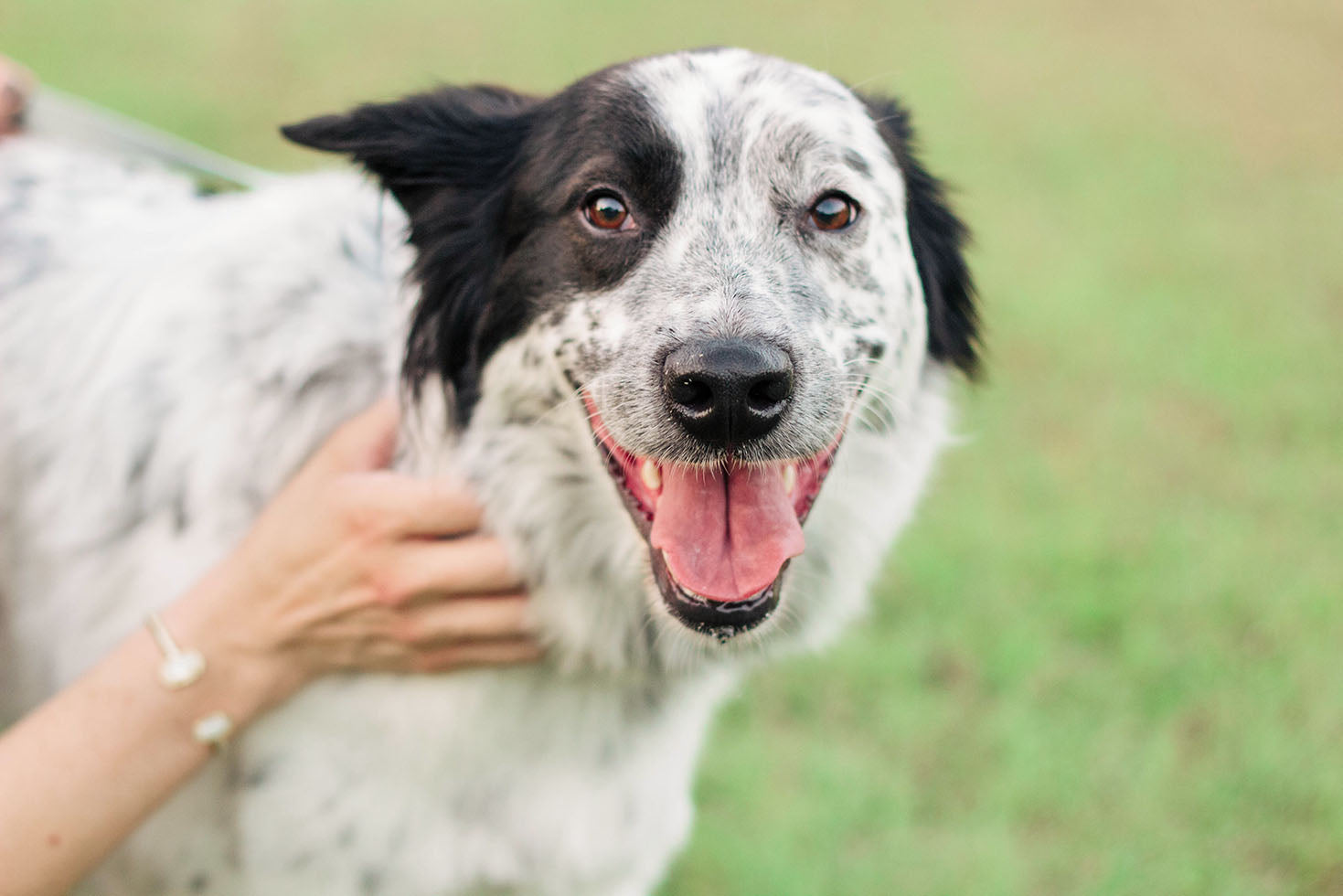
Most dogs will experience a digestive issue at some point in their life, and for many, it becomes a recurring gut health problem rather than an isolated incident. Chronic diarrhea, unexplained vomiting, and a gut that never quite settles despite diet changes and vet visits are among the most common complaints dog parents bring to the clinic. This guide covers what good dog digestive health actually looks like, what disrupts it, and how to support your pet from the inside out.
Why Your Dog's Digestive Health Affects Everything
The digestive system does far more than break down food. It is where nutrients are absorbed, where a large portion of your dog's immune system lives, and where the gut microbiome regulates everything from energy levels to skin health to behavior. When your dog's gut health is off, the effects show up across their whole body, not just in their stomach.
Think of the digestive tract as the engine of your dog's overall well-being. When it runs cleanly, your dog feels well, maintains a healthy weight, absorbs nutrients efficiently, and has the energy levels you expect.
When digestion is compromised, even a good diet stops delivering its full benefit. A dog with ongoing digestive issues may lose weight, develop food sensitivities, and struggle with their immune system in ways that seem completely unrelated to digestion.
Dog digestive health is not a niche concern. It is the foundation everything else rests on.
Common Digestive Issues in Dogs: What You Are Likely Seeing
Most dog parents have dealt with at least one of these. Knowing what each one signals helps you decide when to wait it out and when to act.
Diarrhea
Diarrhea is one of the most common tummy troubles in dogs. It can result from dietary indiscretion, sudden diet changes, parasites, stress, or a disrupted gut microbiome. A dog that eats something questionable on a walk and has loose stools the next day is a very different situation from a dog with chronic diarrhea that keeps coming back. The first is usually self-limiting. The second is a signal that something deeper is wrong with the dog's digestive system.
Vomiting
Vomiting can be harmless, a dog eating too fast, or a sign of something more serious like an obstruction, infection, or inflammatory bowel disease. Occasional vomiting in an otherwise healthy dog is rarely urgent. Repeated vomiting, vomiting with blood, or vomiting alongside other symptoms warrants proper diagnosis from a vet rather than a wait-and-see approach.
Constipation and Gas
Constipation is often caused by dehydration, insufficient fiber, or ingesting foreign objects. Gas and bloating tend to result from eating too quickly, a diet that is hard to digest, or an imbalance in gut bacteria. Dogs love to eat fast, which is why slow feeders genuinely make a difference for many of them. Persistent gas or bloating that does not resolve with diet changes is worth investigating, as it can point to underlying digestive disorders.
Food Allergies and Food Sensitivities
Food allergies and food sensitivities are closely tied to dog digestive health, and they are more common than many dog parents realize. A dog reacting to multiple foods, developing skin issues alongside digestive problems, or cycling through elimination diets without resolution often has a gut microbiome problem driving the immune responses. When the gut lining is compromised, proteins cross into the bloodstream and trigger reactions that look like allergies but are rooted in digestive health.
What Disrupts Your Dog's Digestive System
Understanding what causes digestive problems is how you stop them from coming back.
Sudden diet changes are one of the most common triggers. The dog's gut microbiome needs time to adjust to new food. Switching dog food abruptly disrupts the balance of good bacteria and bad bacteria, causing diarrhea, gas, and abdominal pain even when the new food is better quality. Any diet changes should happen gradually over seven to ten days.
Dietary indiscretion means your dog ate something they should not have: garbage, table scraps, or foreign objects. Most cases resolve within 24 to 48 hours with a bland diet and hydration. Persistent symptoms after dietary indiscretion need a vet visit.
Antibiotics are one of the most significant disruptions to your dog's gut. Broad-spectrum antibiotics kill both beneficial bacteria and harmful bacteria, often leaving the gut depleted for weeks after the course ends. Many dogs develop ongoing digestive issues following antibiotic use that do not resolve without active restoration of the gut microbiome.
Poor diet plays a vital role in long-term digestive health. Dog food high in carbohydrates and fillers feeds bad bacteria rather than beneficial bacteria. A diet tailored to your dog's needs, built around digestible protein and dietary fiber, supports gut bacteria and keeps the digestive system functioning properly.
Stress and lifestyle choices also matter more than most pet owners expect. Chronic stress alters gut microbiota composition and contributes to tummy troubles, loose stools, and weight gain or weight loss that has no obvious dietary explanation.
Other parasites like Giardia and roundworms directly disrupt the gut microbiome and require veterinary diagnosis and treatment before gut restoration can take hold.
How to Support Your Dog's Gut Health
There is no shortage of advice on this topic, but most of it starts in the wrong place. Diet and probiotics matter, but for dogs with chronic gut health problems, they are often not enough on their own. Here is how to think about support in the right order.
When the Gut Needs More Than Maintenance: FMT
For dogs that have already been through diet changes, elimination trials, and rounds of probiotics without lasting relief, fecal microbiota transplantation addresses what those approaches cannot.
Rather than adding a handful of bacterial strains, FMT delivers thousands of species from a healthy donor directly into your dog's gut microbiome through oral capsules, that reseed the microbial community at a scale no supplement can replicate.
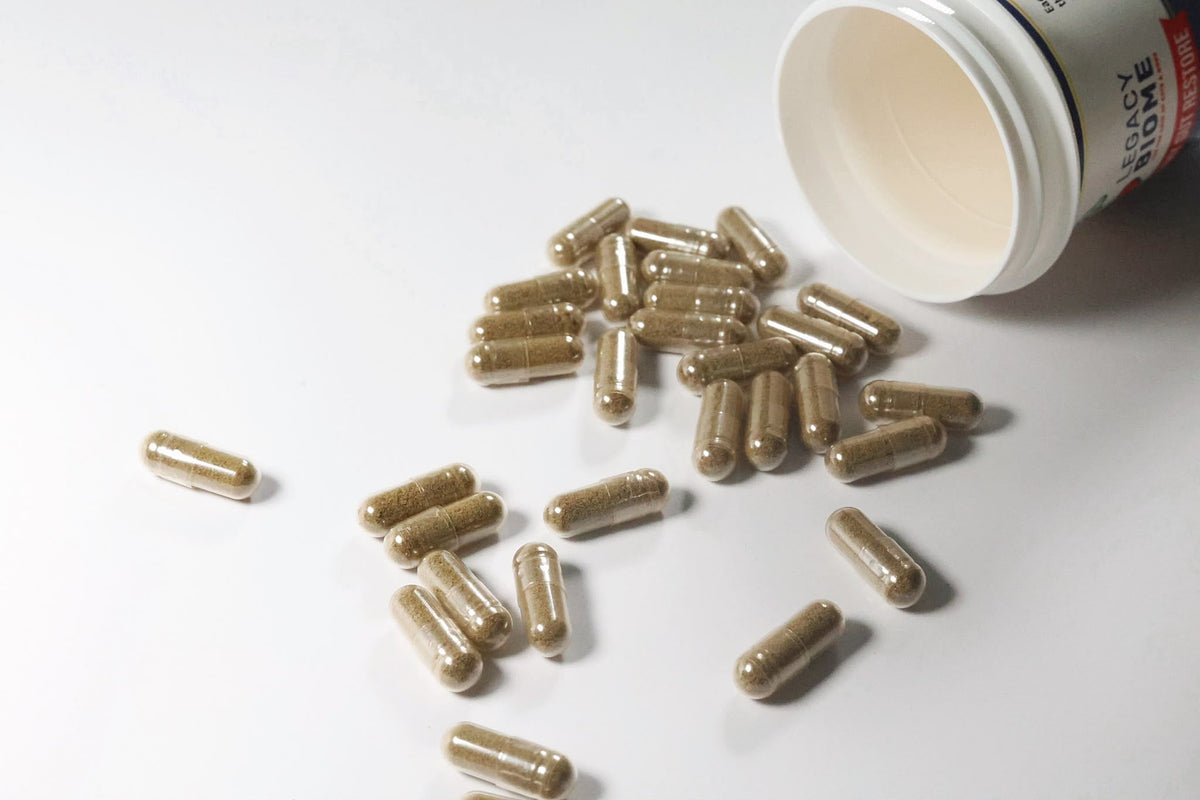
Legacy Biome's Healthy Gut Restore capsules are freeze-dried, shelf-stable for up to two years, and simple to give at home. Every donor has zero lifetime antibiotic use, is fed raw animal proteins and fresh organic foods, and comes from a stable multi-generational lineage with routine pathogen screening and DNA sequencing. For pet parents whose dogs have been stuck in a cycle of digestive problems, this is the intervention that goes to the root.
Start With Dog Food
Adult dogs do best on a high-protein, low-carbohydrate diet built around easily digestible foods: lean proteins, whole vegetables, and dietary fiber that feeds beneficial bacteria and regulates transit time in the digestive tract.
Dietary fiber also helps your dog absorb nutrients properly and keeps digestion consistent. Fresh water at all times is one of the simplest things you can do. Hydration supports nutrient absorption and prevents constipation.
Diet Changes and Transitions
Any change to your dog's diet should happen gradually over seven to ten days. Even a better dog food causes temporary disruption if introduced too quickly, because the gut microbiome needs time to adjust.
Sudden diet changes are one of the most avoidable causes of digestive problems. For dogs with digestive disorders, a special diet using a novel protein source is often recommended under veterinary guidance for eight to twelve weeks.
Dog Probiotics and Prebiotic Support
Dog probiotics introduce beneficial bacteria into the gut and work well as daily maintenance, particularly after antibiotic use or periods of stress. Paired with prebiotic fiber, which gives the good bacteria something to thrive on, they offer a convenient way to support ongoing gut health.
For dogs with mild digestive issues or those in recovery, this combination is a practical starting point. For dogs whose digestive issues keep returning despite this support, FMT is the logical step.
When to See a Vet
Get your dog to a vet promptly if you notice blood in vomit or stool, severe bloating, abdominal pain, or symptoms lasting more than 48 hours. Proper diagnosis matters, especially for digestive disorders like inflammatory bowel disease.
Microbiome testing after the visit gives a measurable picture of what is happening in your dog's gut and helps guide whether dietary changes, probiotics, or deeper restoration is the right approach.
When Nothing Else Has Worked, the Gut Is Where to Look
Most dogs with chronic digestive problems have already been through the standard playbook: a new food, a course of antibiotics, maybe a probiotic. What they have not had is genuine microbiome restoration. Legacy Biome's Healthy Gut Restore is built for exactly those dogs. Freeze-dried, shelf-stable, and simple to give at home, it delivers what diet and supplements cannot: a complete donor microbiome from dogs whose gut health has been protected from birth.
Frequently Asked Questions
What are the most common digestive problems in dogs?
The most common digestive problems in dogs are diarrhea, vomiting, constipation, gas, and food sensitivities, often caused by dietary indiscretion, sudden diet changes, stress, or an imbalanced gut microbiome. Chronic or recurring digestive issues usually point to an underlying gut health problem rather than a one-off trigger.
Can dog food cause digestive issues?
Yes, dog food high in carbohydrates, fillers, or artificial additives can directly cause digestive issues by depleting beneficial bacteria and feeding harmful bacteria in the gut. Switching to a high-protein, low-carbohydrate diet with dietary fiber makes all the difference to a dog's digestive health over time.
Do dog probiotics actually help with digestive health?
Yes, dog probiotics help support digestive health by restoring beneficial bacteria, particularly after antibiotic use or dietary stress, but they work best as part of a broader gut support plan. For dogs with serious or chronic digestive disorders, fecal microbiota transplantation provides more complete gut microbiome restoration.
When should I take my dog to the vet for digestive problems?
Take your dog to the vet immediately if they show blood in vomit or stool, severe bloating, abdominal pain, or poor gut health symptoms lasting more than 48 hours without improvement. Mild digestive issues that resolve within a day are usually not urgent, but ongoing digestive issues always need proper diagnosis to identify the underlying cause.


Leave a comment
This site is protected by hCaptcha and the hCaptcha Privacy Policy and Terms of Service apply.